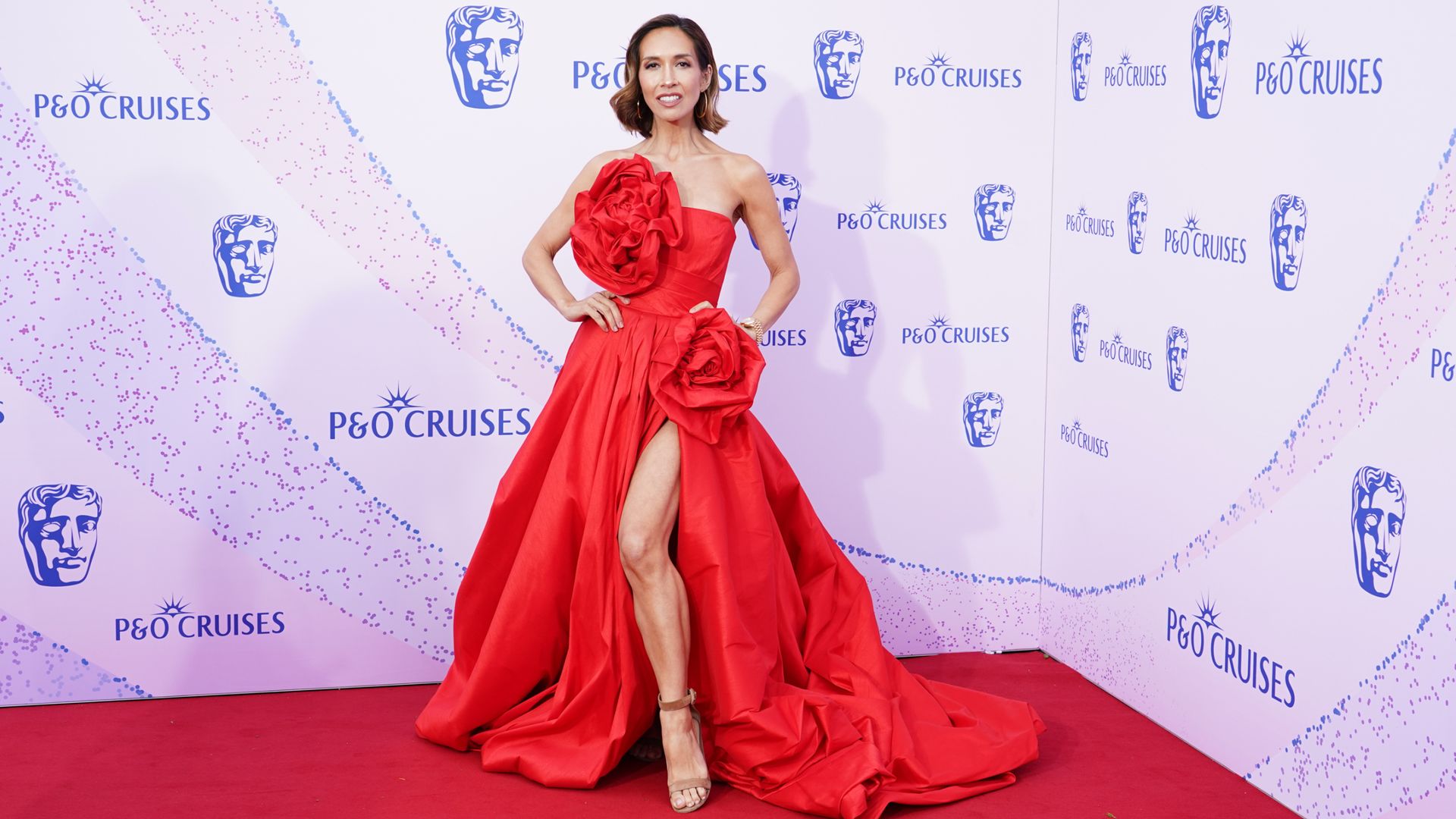
The air inside the Royal Festival Hall doesn't circulate like normal air. It is heavy, thick with the scent of expensive hairspray and the metallic tang of adrenaline. On the red carpet outside, the world sees the shimmering sequins and the practiced, effortless smiles of British television’s elite. But behind the velvet ropes, in the quiet seconds before the cameras go live, you can hear the audible catch of breath. This isn't just about a bronze mask. It is about the terrifying, beautiful validation of being seen.
We watch television in our pajamas, crumbs on our shirts, the blue light of the screen reflecting in our eyes during the loneliest hours of the night. We feel we own these stories. But for the people sitting in those tiered rows, these shows are years of failed drafts, grueling fourteen-hour days in the freezing rain of a location shoot, and the constant, nagging fear that the audience might simply look away.
The 2024 BAFTA Television Awards aren't just a list of names. They are a map of what we, as a culture, cared about when the world felt particularly heavy.
The Weight of the Crown and the Reality of the Ward
Consider the silence that fell when Top Boy was announced as the Best Drama Series. It was a victory that felt like a long-overdue exhale. For years, the gritty, uncompromising pulse of the Summerhouse estate has mirrored a side of London that rarely gets the glossy awards treatment. When Jasmine Jobson took home the Supporting Actress award, it wasn't just a win for her performance; it was a win for a character that felt like a living, breathing person to millions of viewers who rarely see their own lives reflected with such dignity.
Then there is the sheer, overwhelming force of The Crown. We have followed this fictionalized dynasty through decades of history, yet the wins for the final season felt more like a farewell to an era of "prestige" television. It represents a specific kind of storytelling—grand, expensive, and sweeping—that is increasingly under threat by the fast-food nature of the streaming wars.
But the night truly belonged to the stories that hurt to watch.
When Truth Becomes Unbearable
The most electric moment of the evening didn't come from a big-budget thriller. It came from the quiet, devastating reality of The Steeltown Murders and the haunting investigative depth of The Sixth Commandment.
Timothy Spall’s win for Leading Actor was a masterclass in the human element. He didn't just play a victim; he inhabited the soul of a man whose life was stolen by a predatory kindness. Watching Spall accept that award, you could see the responsibility he felt. He wasn't just a performer. He was a steward of a real person’s memory. That is the invisible stake of the BAFTAs. When you win for a true story, you aren't just celebrated for your craft. You are being thanked for telling the truth.
The room shifted when Happy Valley was mentioned. Sarah Lancashire didn't just play Catherine Cawood; she became a folk hero for anyone who has ever had to keep going when they were tired down to their very marrow. Her win for Leading Actress felt inevitable, yet the roar of the crowd proved it was anything but routine. It was a recognition of a character who felt like she could walk off the screen and offer you a cup of tea or a stern lecture. She is the ultimate proof that we don't want "relatable" characters. We want honest ones.
The Comedic Shield
Comedy is often treated as the lightweight sibling at these ceremonies, but anyone who has ever tried to make a room full of strangers laugh knows it is the hardest labor in the industry.
Such Brave Girls and Extraordinary represent a new guard. This is comedy that bites. It is messy, awkward, and occasionally grotesque. It reflects a generation that uses humor as a survival mechanism against rising rents and existential dread. When these shows win, they signal a shift away from the "comfort" sitcoms of the past. We aren't looking for a laugh that makes us forget our problems anymore. We want a laugh that acknowledges them.
Rob Beckett and Romesh Ranganathan, winning for Rob & Romesh Vs, represent the other side of that coin: the enduring power of friendship. In a world that feels increasingly fragmented, watching two people genuinely enjoy—and endure—each other’s company is a form of radical optimism.
The Unseen Architects
Behind every actor who stammers through a speech, there is a writer who stared at a blinking cursor at 3:00 AM, wondering if anyone would ever care. The craft awards, often relegated to the sidelines of public consciousness, are the true engine of the night.
Think about the sound design in a show like Slow Horses. It isn't just noise. It’s the rattle of a radiator in a damp office that tells you everything you need to know about the characters' failures. Think about the editing in Black Mirror, which dictates the very heartbeat of our anxiety. These aren't technical footnotes. They are the brushstrokes of the narrative.
The winners’ list tells us something specific about our current moment:
- Drama Series: Top Boy
- Leading Actress: Sarah Lancashire (Happy Valley)
- Leading Actor: Timothy Spall (The Sixth Commandment)
- Supporting Actress: Jasmine Jobson (Top Boy)
- Supporting Actor: Matthew Macfadyen (Succession)
- Female Performance in a Comedy Program: Gbemisola Ikumelo (Black Ops)
- Male Performance in a Comedy Program: Mawaan Rizwan (Juice)
The Ghost in the Room
As the night progressed, a theme emerged. It wasn't about the biggest budget or the most famous face. It was about the "small" stories that somehow filled the entire room.
Succession may be an American production, but Matthew Macfadyen’s win reminds us of the British DNA that runs through the world’s most successful television. His portrayal of Tom Wambsgans—a man who is simultaneously a predator and a doormat—is a uniquely British triumph of subtlety. We love to watch the powerful crumble, but we love it even more when they do it with a specific kind of repressed, stuttering awkwardness.
But the real heart of the night lived in the Factual and News categories. The coverage of the wars and the documentaries like Dublin Narcos or Lockerbie serve as a cold splash of water. They remind the glitterati that while television is an escape for some, it is a witness for others. The applause for these winners is different. It is shorter, sharper, and carries a weight of sobriety that lingers long after the music starts playing again.
The Morning After the Mask
By tomorrow, the red carpet will be rolled up and stored in a warehouse. The champagne flutes will be washed, and the bronze masks will find homes on mantels or in downstairs bathrooms. The headlines will move on to the next scandal or the next season.
But for a few hours in London, the television wasn't just a box in the corner of the room. It was a communal fire. We gathered around it to see who we are, who we want to be, and what we are afraid of becoming.
The winners are important, yes. But the true story of the BAFTAs is found in the losers who will go back to the rehearsal room on Monday. It is found in the writers who will delete everything they wrote today and start again. It is found in the audience that watches, waits, and hopes to be moved.
Television is our most intimate medium. It enters our bedrooms and our kitchens. It speaks to us when we are alone. And tonight, for just a moment, the people who make it got to step out of the shadows of our living rooms and into a light that, for once, wasn't coming from a screen.
The lights eventually dim. The crowd spills out into the cool London night, hailing taxis and looking for the nearest late-night chips. The glamour fades instantly, replaced by the mundane reality of a Sunday evening. Yet, as the stars vanish into the dark, they carry that heavy bronze weight with them—a permanent reminder that for one year, one performance, or one single line of dialogue, they managed to make the world stop and listen.
The mask doesn't have eyes, but tonight, it felt like it saw everything.