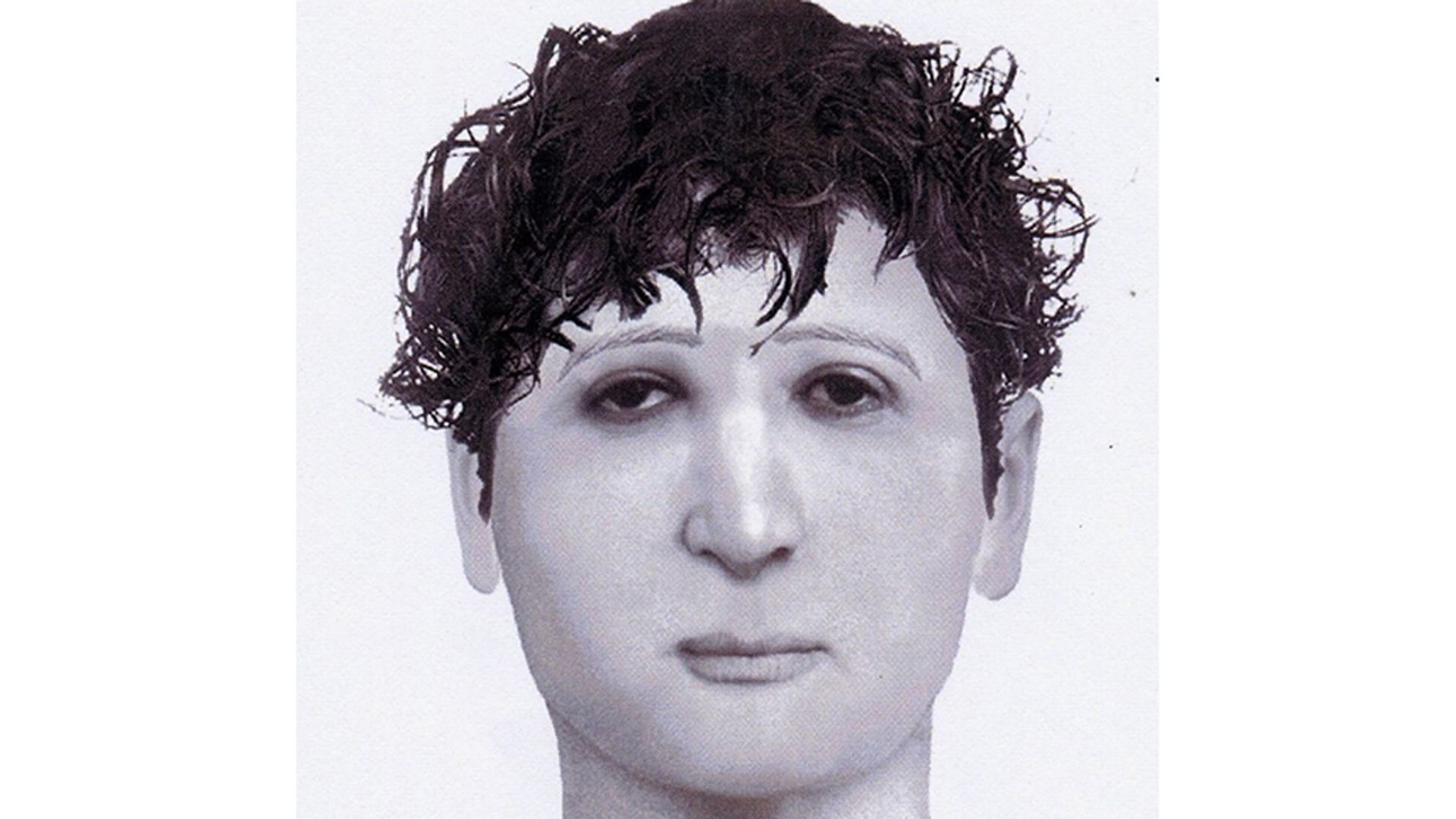
Forensic investigators just solved a mystery that sat frozen in time for over two decades. It started with a grim discovery by a roadside and ended with a name. For twenty years, she was a Jane Doe. She was a file number in a cold case drawer. She was a collection of DNA markers that didn't match anything in the federal databases. Now, she has her identity back. This isn't just about a single case being closed. It’s a testament to how far technology has come and why we need to stop relying solely on old-school fingerprinting and CODIS hits to solve violent crimes.
The failure of traditional forensics in the Jane Doe case
When the woman's body was first found near the roadside, the police did everything by the book. They took photos. They collected DNA. They ran her prints through every system they had. Nothing. You’ve got to understand how frustrating that is for a detective. It’s a dead end that lasts for years.
Back then, if a person wasn't in the system for a previous crime, they basically didn't exist in the eyes of the law. The Combined DNA Index System (CODIS) is great for catching repeat offenders, but it's useless if the victim or the perpetrator has a clean record. This woman wasn't a criminal. She was someone’s daughter, someone’s friend, and she disappeared without a trace into a system that wasn't built to find her.
The reality of cold cases is that they rarely get solved by a sudden "aha!" moment in a dusty basement. They get solved because the world changes around them. The science catches up to the tragedy. In this specific case, the "standard" methods failed for twenty years because they were looking for a direct match. They weren't looking for a family tree.
Why Investigative Genetic Genealogy changed everything
The breakthrough didn't come from a new witness or a confession. It came from Investigative Genetic Genealogy (IGG). This is the same tech that caught the Golden State Killer, and it’s basically the nightmare of every cold-case murderer out there.
Instead of looking for a 1:1 match in a police database, investigators took the Jane Doe's DNA and uploaded it to public databases like GEDmatch and FamilyTreeDNA. These are places where regular people go to find their long-lost cousins or see if they’re 5% Irish. When you upload your spit kit results to these sites, you're unintentionally helping solve murders.
By finding distant cousins—think second, third, or fourth cousins—genealogists can build a massive tree. They work backward until they find a common ancestor. Then, they work forward to the present day. They look for the "missing" branch. They look for the woman who stopped calling home in the early 2000s. It’s tedious work. It takes hundreds of hours of looking through census records, birth certificates, and old newspaper clippings. But it works.
The human cost of a twenty year wait
Imagine being the family. For two decades, you've lived with a hole in your life. You don't know if she ran away, if she started a new life, or if the worst happened. There’s a specific kind of grief that comes with a missing person—it’s called ambiguous loss. You can’t move on because there’s no finish line.
The identification of this woman, whose body was left discarded by a road, finally gives that family a place to visit. It gives them a name to put on a headstone. It’s not a "happy" ending—she’s still gone—but it’s a resolution.
Critics often worry about the privacy implications of police using genealogy sites. I get that. It’s a valid concern. But when you weigh the privacy of a distant cousin’s DNA data against the right of a murder victim to have their name back, the choice seems pretty clear to me. We’re talking about people who were literally erased from history. Giving them their identity back is the most basic form of justice.
Identifying the woman is only the first step
Identifying a body isn't the same as catching a killer. But you can't have one without the other. Now that the police know who she is, they can retrace her final days. They can look at her phone records from twenty years ago. They can talk to the people she was hanging out with. They can look at the "boyfriend" no one liked or the weird neighbor who moved away a month later.
In many of these cases, once the name is revealed, the suspect list narrows down almost instantly. Most people aren't killed by strangers in the woods. They’re killed by people they know. The roadside was just a dumping ground, a place to hide the evidence. Now that the evidence has a name, the killer has a reason to be looking over their shoulder.
How to support cold case resolutions
If you're reading this and thinking about how many other Jane and John Does are still out there, there's actually something you can do. It's not just for detectives anymore.
- Check your DNA privacy settings. If you've used a service like 23andMe or Ancestry, your data is private by default. If you want to help solve cold cases, you have to download your raw data and upload it to GEDmatch, specifically opting into "law enforcement" matching.
- Support non-profits. Organizations like the DNA Doe Project do the heavy lifting that many small police departments can't afford. This technology is expensive. A single kit and the subsequent genealogical research can cost thousands of dollars.
- Keep the stories alive. Cold cases die when people stop talking about them. Digital archives and social media groups dedicated to unidentified remains keep the pressure on local authorities to use modern tech.
The identification of this woman after twenty years proves that no case is truly "unsolvable." It just hasn't been solved yet. The tools are there. The science is proven. All that's left is the will to keep digging until every roadside discovery gets its name back.
Find a local cold case database. See if there are unidentified people in your area. Often, the missing piece isn't a secret witness—it's just a DNA sample waiting for a match. Reach out to your local sheriff's office and ask if they're utilizing genetic genealogy for their long-term Jane Doe cases. It's time to bring everyone home.