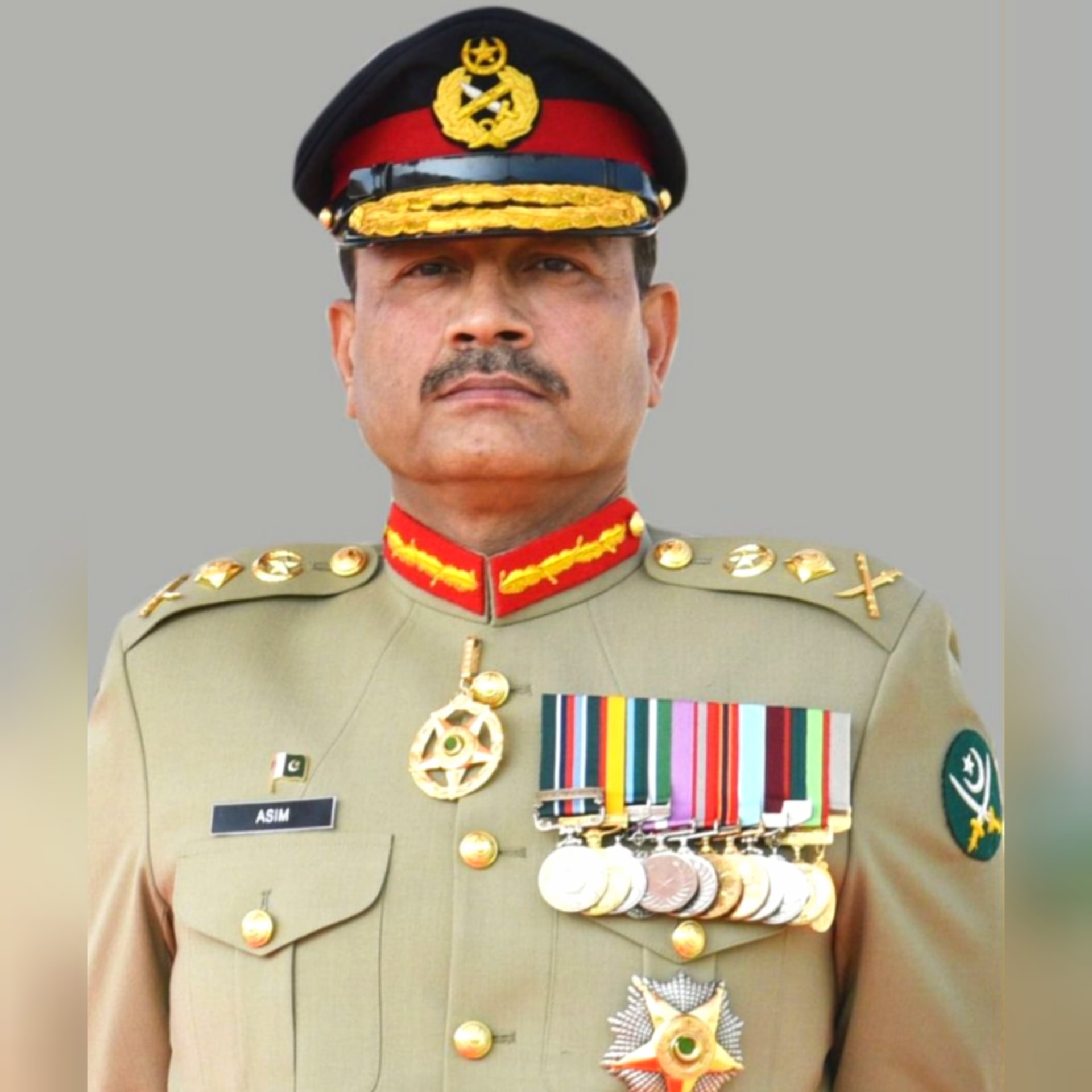
General Asim Munir just landed in Tehran and it's not your typical diplomatic photo op. While official channels talk about "brotherly ties," the reality on the ground is far more intense. Pakistan’s Army Chief is currently leading a high-level delegation to meet the top Iranian leadership, and the timing couldn't be more critical.
We're looking at a region on the brink. With the two-week ceasefire between Iran and the U.S. set to expire on April 22, Islamabad has effectively stepped in as the world's most unlikely middleman. Munir isn't just there to talk about border security; he’s carrying a specific message from Washington to help prevent a full-scale regional explosion.
The secret role of mediator
Let's be real. Pakistan hasn't always had the easiest relationship with Iran. Just last year, they were trading missile strikes over their shared border. But things have shifted. Geography and intelligence networks have turned Pakistan into the only actor that can talk to everyone: the U.S., Iran, Saudi Arabia, and Qatar.
Munir’s visit is basically a last-ditch effort to bridge the gaps that killed the first round of talks in Islamabad. There are three massive roadblocks on the table:
- Iran’s nuclear program status.
- The reopening of the Strait of Hormuz.
- Compensation for damages from the 40-day war that started in February.
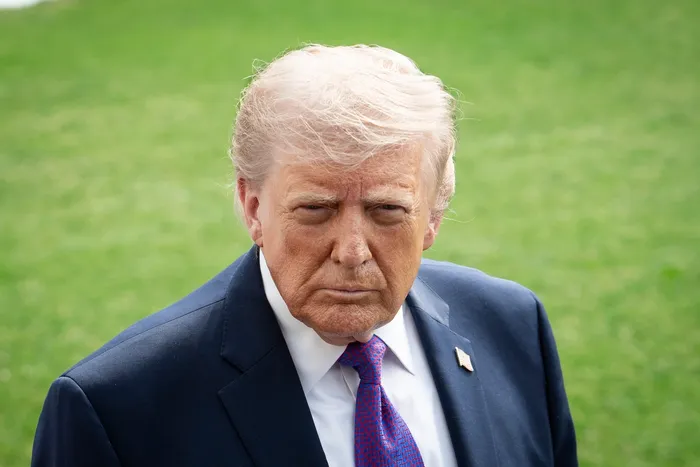
It’s a high-stakes gamble. If Munir can’t convince Tehran to soften its stance, the truce expires in days. President Trump has already teased an "amazing two days" ahead, suggesting a breakthrough—or a breakdown—is imminent.
Border security or a bigger game
While the world watches the U.S.-Iran dynamic, there's a more immediate problem along the 900-kilometer border between Pakistan and Iran. Interior Minister Mohsin Naqvi is traveling with Munir, which tells you everything you need to know. They aren't just discussing high-level geopolitics; they're trying to stop the bleeding in the rugged mountain passes.
Militant groups have been using this porous border to launch attacks for years. It’s a mess of drug trafficking, human smuggling, and insurgent activity. In Tehran, Munir is meeting with Major General Mohammad Bagheri to tighten the screws on intelligence sharing. Both sides finally seem to realize that they can't afford a two-front security crisis.
Honestly, the "security border" rhetoric is being replaced by the idea of "economic borders." Iran wants secure border markets. Pakistan wants a stable western front so it can focus on its own internal economic chaos and the ongoing tension on its eastern border.
What this means for the region
Pakistan is playing an agile game. While India has largely tilted toward the U.S.-Israeli camp, Islamabad has positioned itself as the indispensable backchannel. This isn't about choosing sides. It’s about survival and relevance.
If Munir pulls this off, he secures Pakistan's position as a central player in Middle Eastern diplomacy. If he fails, the region could slide back into the "40-day war" mode that disrupted global energy markets just weeks ago.
The meetings in Tehran are expected to go into granular detail. We're talking about technical experts and security officials hammering out the terms for a second round of negotiations. Everyone is looking at Islamabad to be the venue again.
What happens next
Keep your eyes on the April 22 deadline. That's the real "make or break" point. If the delegation returns with a "constructive" response from Tehran, expect a second round of formal talks to be announced in Pakistan within 48 hours.
If you're tracking regional stability, watch the Strait of Hormuz. Any movement on shipping restrictions there will be the first sign that Munir’s trip actually achieved something. For now, the world is waiting on a message passed in a high-security room in Tehran to determine if the next week brings peace or a return to the trenches.