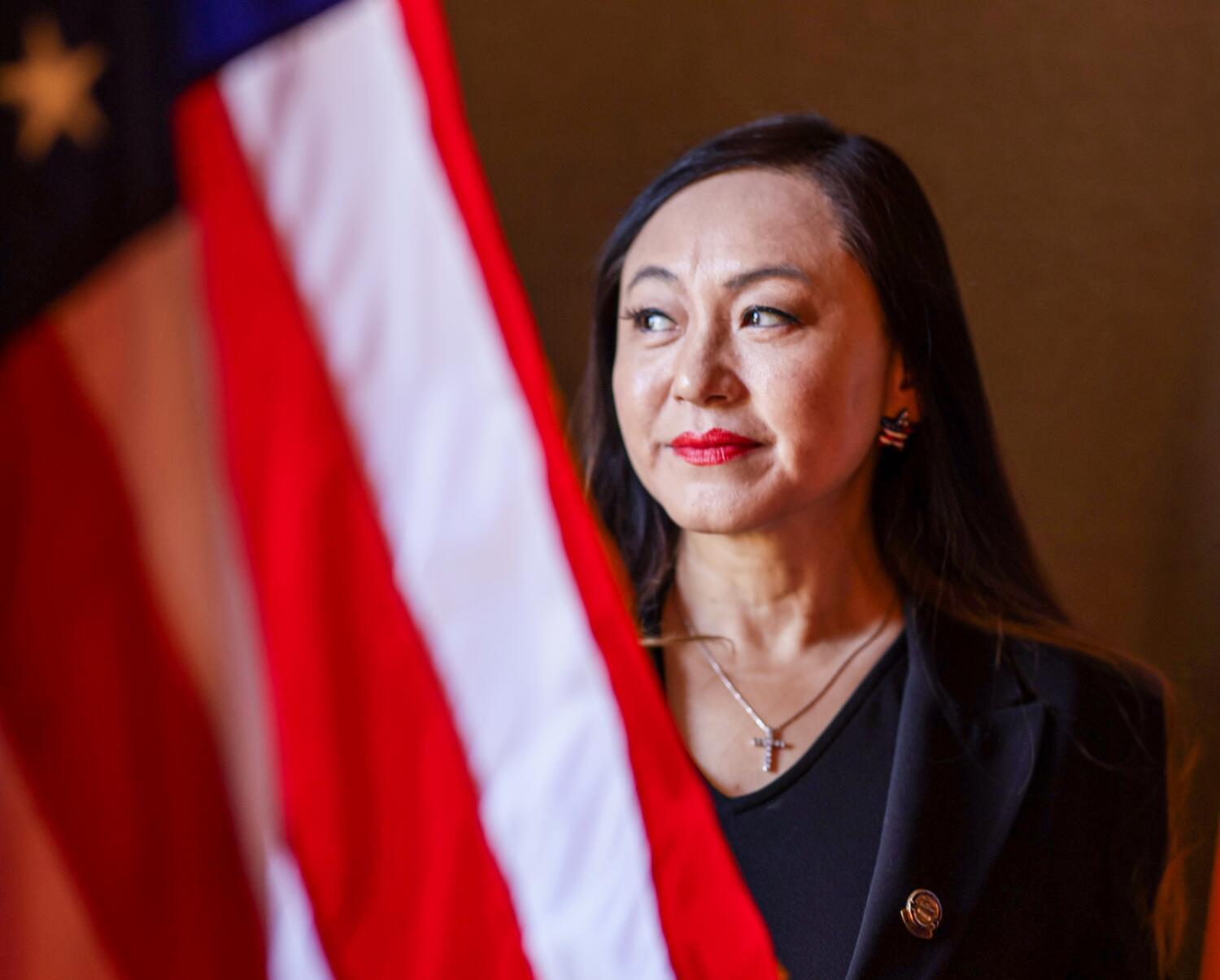
The resignation of Arcadia Mayor Sho Tay marks the end of a political career, but for federal investigators, it is merely a data point in a much larger, more dangerous map of foreign influence. Tay, long a fixture in San Gabriel Valley politics, stepped down after reaching a plea agreement with federal prosecutors regarding his failure to disclose his role as a foreign agent. While the local headlines focus on the vacancy in the mayor’s office, the real story lies in the sophisticated methods used by the Chinese government to turn American municipal leaders into conduits for overseas interests. This wasn't a sudden lapse in judgment. It was a methodical cultivation that took years to mature.
Tay’s case isn't just about a local politician taking a wrong turn. It exposes the vulnerability of mid-sized American cities to the "grassroots" strategy of the Chinese Communist Party (CCP). By targeting local officials rather than high-profile Washington power brokers, foreign intelligence services find a path of least resistance. These officials control zoning, local investments, and sister-city agreements—the very tools used to establish a foothold for foreign commercial and political interests on U.S. soil.
The Strategy of the Long Game
Foreign intelligence operations don't always look like a spy thriller. They often look like business junkets and cultural exchange programs. For years, Tay moved between the roles of a local public servant and an unregistered advocate for interests tied back to Beijing. The federal investigation centered on his failure to register under the Foreign Agents Registration Act (FARA), a law designed to ensure that the American public knows when a foreign power is trying to influence their government.
When a mayor travels abroad on the dime of a foreign entity, they aren't just a tourist. They are a target. Prosecutors argued that Tay’s actions went far beyond the standard duties of a local official. He was, in essence, operating as a bridge. This bridge allowed foreign money and influence to flow into the San Gabriel Valley with minimal oversight. Local politics provides the perfect cover because the stakes often seem too small for federal scrutiny until the damage is already done.
The Mechanics of the Plea Deal
The deal Tay struck with the Department of Justice is a calculated move to avoid the maximum penalties associated with a full-blown trial. By admitting to specific failures in disclosure, he avoids the more radioactive charges that could have landed him in prison for decades. However, the resignation was the non-negotiable price of his freedom. The feds wanted him out of the seat. They saw his continued presence in the Arcadia city government as an active security risk.
The specifics of the plea suggest that Tay was providing more than just "good vibes" to his handlers. Investigative documents hint at assistance with real estate acquisitions and the smoothing of regulatory hurdles for entities with ties to the Chinese state. This is where the local and the global collide. A zoning change in a quiet California suburb might seem trivial to a resident, but to a foreign entity looking to build a physical and economic base, it is a strategic victory.
Why Small Cities Are the New Front Line
We often think of foreign interference as something that happens in the halls of Congress or within the walls of the Pentagon. That is a mistake. Modern influence operations have shifted their focus to the local level because that is where the most sensitive infrastructure lives. Power plants, water systems, and local shipping hubs are all managed by people like Sho Tay.
Federal agencies are spread thin. The FBI cannot monitor every city council meeting in the country. This creates a "gray zone" where local officials can be wined, dined, and eventually compromised by foreign actors who provide the one thing local politicians always need: investment. When a foreign company promises a hundred jobs and a new tax base, few mayors have the counter-intelligence training to ask what that company expects in return for its loyalty to a distant regime.
The Problem with FARA Enforcement
The Foreign Agents Registration Act is an old tool being used to fight a very modern war. For decades, it was rarely enforced, viewed more as a clerical requirement than a national security shield. That changed around 2017. The DOJ began dusting off the statute to crack down on lobbyists for Russia, Turkey, and China.
The challenge is that the line between "legitimate business advocacy" and "foreign agency" is incredibly thin. Tay likely convinced himself for years that he was simply being a pro-business mayor. He could argue he was just helping his community grow. But the law is clear: if you are acting at the direction or control of a foreign principal to influence U.S. policy or public opinion, you must put your name on a list. Tay didn't. He chose the shadows instead.
The San Gabriel Valley Connection
Arcadia is not an island. It sits in a cluster of cities that have become the primary destination for Chinese capital in the United States. This concentration of wealth and cultural ties makes the region a natural focal point for the CCP’s "United Front" operations. These operations are designed to co-opt ethnic Chinese communities and local leaders to support Beijing's global agenda.
Tay was a perfect candidate for this type of cultivation. He understood the local landscape and had the trust of his constituents. By leaning into his identity and his position, he could move between worlds in a way a federal agent or a Washington lobbyist never could. His downfall is a warning shot to other officials in the region who might be walking the same tightrope. The feds are no longer looking the other way.
How Influence is Bought and Sold
The currency of this influence isn't always a briefcase full of cash. It is more subtle. It is an invitation to speak at a prestigious conference. It is a "consulting fee" paid to a family member’s business. It is the promise of future investment in a pet project that will help the official get re-elected. These are the soft hooks. Once the official is dependent on these perks, the demands start to change. They are asked for "favors." They are asked to introduce certain people to other influential leaders.
In Arcadia, the specific favors reportedly involved helping foreign nationals navigate the complexities of American bureaucracy. While it might look like constituent services on the surface, the underlying motivation was the fulfillment of a foreign mandate. When the motivation is no longer the welfare of the local residents, but the requirements of a foreign handler, the official has ceased to be a public servant. They have become an asset.
The Cost of the Compromise
The damage left behind by Tay’s tenure won't be fixed by a simple special election. There is now a profound crisis of trust in Arcadia. Residents are left wondering which of the city's recent developments were actually in their best interest and which were part of a larger geopolitical play. Every contract, every permit, and every land use agreement signed during Tay’s leadership is now under a cloud of suspicion.
Beyond the local fallout, this case signals a shift in how the U.S. government views domestic corruption. The Department of Justice is increasingly treating local graft as a matter of national security. They are looking for the "Tay's" in every state. They are looking for the mayors who have become too cozy with foreign developers and the city council members who suddenly have unexplained wealth after a trip to Shanghai or Beijing.
Identifying the Red Flags
If we want to prevent the next Arcadia, we have to recognize the patterns of infiltration before the plea deals are signed. There are specific behaviors that should trigger immediate scrutiny:
- Frequent Unofficial Travel: Local officials taking multiple trips abroad funded by non-government organizations or "business associations" with opaque leadership.
- Selective Advocacy: A sudden and aggressive push for specific foreign-owned projects that bypass standard environmental or community reviews.
- Opaque Income Streams: Officials whose lifestyle exceeds their government salary, often justified by "private consulting" work that never seems to have domestic clients.
- Shadow Diplomatic Channels: The establishment of "friendship associations" that operate outside the official city government framework but involve city leadership.
The End of the Local Pass
For a long time, local politicians operated under the assumption that the "big boys" in D.C. were the ones being watched. They thought they could play in the world of international finance and diplomacy without attracting the attention of the intelligence community. The Sho Tay investigation proves that the pass has expired.
The federal government is now signaling that there is no city too small to be a theater of foreign influence. The resignation of a mayor in a California suburb is a small victory in a much larger struggle to keep the machinery of American democracy free from foreign interference. It requires a level of transparency that many local officials find uncomfortable, but it is the only way to ensure that the person sitting in the mayor’s chair is actually working for the people who elected them.
The Sho Tay case is a blueprint for how a foreign power can slowly, quietly dismantle the integrity of a local government. It didn't happen overnight, and it didn't happen with a bang. It happened with a series of small, undisclosed compromises that eventually added up to a federal crime. Arcadia is now the cautionary tale that every city manager and local activist needs to study. The next time a foreign "business delegation" comes to town offering gifts and growth, the first question shouldn't be "how much," but "at what price."
Local government is the foundation of the American system. When that foundation is chipped away by foreign interests, the entire structure becomes unstable. The feds didn't just take down a mayor; they sent a message that the local level is no longer a safe harbor for foreign agents. If you take the meeting, take the money, and fail to tell the truth, you will eventually lose the office. The era of the "unregistered" local diplomat is over.