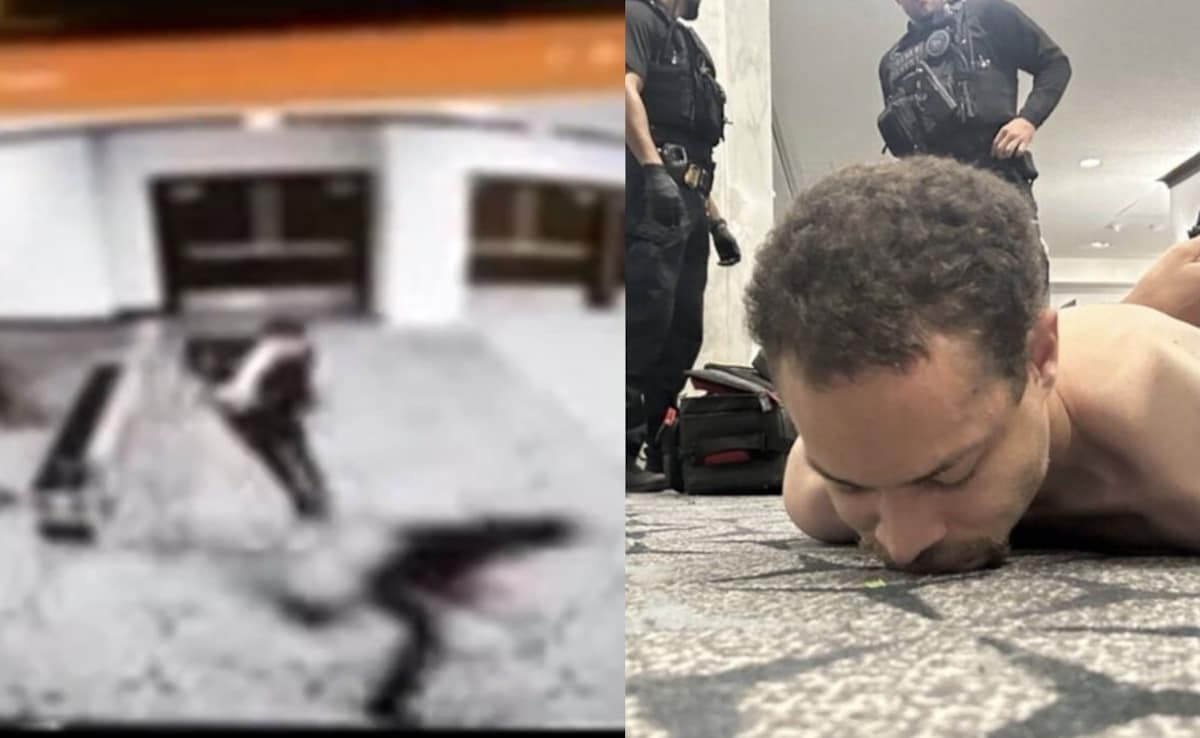
Tear gas shouldn't be the standard response to a protest, but that's exactly what happened when a group of activists tried to breach a beagle research facility. The raid failed. Nobody got the dogs out. Instead, dozens of people ended up coughing and blinded by chemical irritants while the gates stayed locked. It’s a mess that highlights the growing desperation in the animal rights movement and the hardening of security around medical testing sites.
When you look at the raw footage from these events, it's rarely about a clean "rescue." It's chaotic. It's loud. And lately, it’s getting more dangerous for everyone involved. We need to talk about why these groups are willing to risk prison time and chemical burns for a few dozen dogs, and why the facilities are responding with such overwhelming force. Don't forget to check out our recent article on this related article.
The Reality of the Beagle Research Facility Raid
This wasn't just a random spur-of-the-moment protest. The activists arrived with a plan to infiltrate the perimeter and remove animals they believe are being subjected to cruel and unnecessary testing. Beagles are the breed of choice for these labs because they're docile, forgiving, and small. That same temperament makes them the face of animal rights campaigns worldwide.
The facility in question had been under fire for months. Anonymous tips and leaked reports suggested violations of the Animal Welfare Act, though the company denied everything. When the activists arrived, they didn't find open doors. They found a reinforced perimeter and law enforcement already on high alert. If you want more about the background of this, The New York Times offers an excellent summary.
The clash happened fast. As protesters moved toward the secondary fencing, officers deployed tear gas canisters. If you’ve never been around tear gas, it isn't just "smoke." It burns the eyes, the throat, and the skin. It causes instant panic. The raid collapsed in minutes. Protesters retreated, dragging their peers away from the fumes, while the beagles inside remained in their cages.
Why Law Enforcement Used Tear Gas
Police usually justify the use of chemical agents by citing a "threat to public safety" or "destruction of property." In this case, the narrative from the precinct was that the crowd was becoming unmanageable and posed a risk to the facility’s staff. But critics argue that the response was disproportionate. Using a chemical weapon on people carrying bolt cutters and cameras feels like a massive escalation.
There's a specific legal framework at play here. The Animal Enterprise Terrorism Act (AETA) is a federal law that makes it a crime to engage in "force, violence, and threats involving animal enterprises." It’s a heavy-handed piece of legislation. It basically reclassifies property damage or economic loss as an act of terrorism if it happens to a lab or a farm. This is why the security is so tight. These facilities aren't just protecting dogs; they're protecting multi-million dollar contracts and proprietary research.
The Science and the Controversy
People often ask why we're still using dogs for medical research in 2026. It’s a fair question. With the rise of "organ-on-a-chip" technology and sophisticated computer modeling, the old-school lab model feels outdated. However, the FDA and other regulatory bodies still require animal testing for many new drugs before they hit human clinical trials.
What these beagles actually do
- Pharmacokinetics: Labs test how a new drug moves through a living body.
- Toxicity Studies: They look for the dose that starts to cause organ failure.
- Medical Device Testing: Checking how a heart valve or a stent reacts in a living system.
The labs claim this is essential for human safety. The activists argue it’s "bad science." They point to the high failure rate of drugs that pass animal tests but fail in humans—often cited as being over 90 percent. When you realize that most of this testing doesn't actually result in a life-saving cure, the image of a beagle in a cage becomes a lot harder to stomach.
Misconceptions About Animal Rescues
Most people think these raids are about "stealing" property. The activists see it as "open rescue." The philosophy is simple: don't wear masks, take the animals, and then stand by your actions in court. They want the public to see the conditions inside the labs.
But it rarely works out that way. When a raid fails, it usually leads to a crackdown that makes life harder for the remaining animals. Security gets tighter. Staffers get more defensive. And the legal penalties for the activists are so steep that it often cripples the organization’s ability to do any future work.
The Legal Fallout
The people who got tear-gassed are now facing a mountain of charges. We're talking about everything from criminal trespass to "interference with a research facility." In some jurisdictions, the mere act of recording video inside a lab is a felony under "Ag-Gag" laws.
It’s a lopsided fight. On one side, you have grassroots groups with limited funding. On the other, you have massive corporations backed by state-funded security. The use of tear gas isn't just a tactical move; it’s a deterrent. It tells anyone else thinking about a raid that the cost of entry is physical pain and a permanent criminal record.
Moving Beyond the Conflict
If we actually want to stop seeing people gassed in front of dog kennels, the solution isn't just "more security." It’s a shift in how we handle medical research. We need to push for the adoption of the FDA Modernization Act 2.0, which was a huge step toward allowing non-animal testing methods. But the implementation has been slow.
Companies are stuck in their ways. It’s cheaper and easier to follow the same protocols they’ve used for fifty years than it is to invest in new, cruelty-free technology. Until the financial incentives change, the raids will continue, and the police will keep using chemical agents to stop them.
If you care about this, don't just share a video of a beagle on social media. Look into the companies that fund these labs. Check out the Physicians Committee for Responsible Medicine (PCRM) or the Center for Contemporary Sciences. They're doing the hard work of proving that we don't need these labs anymore.
Support the transition to human-relevant research. Write to your representatives about the Animal Enterprise Terrorism Act. Demand transparency from the facilities in your own backyard. The goal shouldn't be more successful raids; it should be an industry where there aren't any beagles left to rescue.