The viability of Bangladesh’s Jamdani weaving industry depends on a fragile equilibrium between high-fidelity artisanal labor and global commodity market pressures. While often viewed through a lens of cultural preservation, the industry functions as a complex supply chain characterized by extreme labor intensity, inelastic production timelines, and a structural gap between manufacturer cost and retail value. To transition from a vulnerable heritage craft to a sustainable luxury asset, the sector must address the fundamental inefficiencies in its value chain, specifically the decoupling of artisan compensation from final market price.
The Production Mechanics of Jamdani
Jamdani is defined by the discontinuous weft technique, where decorative motifs are integrated into the fabric by hand using individual bobbins of thread. Unlike jacquard weaving, which uses mechanical punched cards or digital files to automate patterns, Jamdani requires the weaver to manually calculate and place every geometric element. This creates a linear relationship between pattern complexity and production time.
The production function of a single Jamdani sari can be categorized into three distinct operational phases:
- The Preparation Phase: This involves the selection of yarn count—often ranging from 60 to 120 counts—and the manual dyeing process. Higher counts indicate finer yarn, which increases the structural fragility of the loom setup but results in a superior hand-feel.
- The Execution Phase: Two weavers work in tandem on a pit loom. The lead weaver directs the pattern while the apprentice manages the shuttle and basic weft. This dual-labor requirement doubles the human capital cost per unit.
- The Finishing Phase: Stretching, starching, and quality inspection. Because the motifs are woven into the fabric rather than embroidered on top, any error in the execution phase is permanent, leading to high rejection rates in premium segments.
The primary constraint on scaling is the Time-to-Market bottleneck. A high-density "Panna Hajar" (thousand emeralds) pattern can take six to twelve months to complete. In a standard manufacturing environment, such a lead time would be considered an operational failure; in heritage textiles, it is the source of value. However, without a corresponding price premium that accounts for the opportunity cost of the weaver's time, the model remains economically extractive.
Value Chain Fragmentation and Information Asymmetry
The current Jamdani market in Bangladesh operates through a tiered intermediary system that obscures the true value of labor. The path from the loom in Narayanganj to a high-end boutique in Dhaka or an international buyer in London involves multiple "Mahajans" (middlemen) who provide the raw materials and credit to weavers.
The Credit Trap and Material Arbitrage
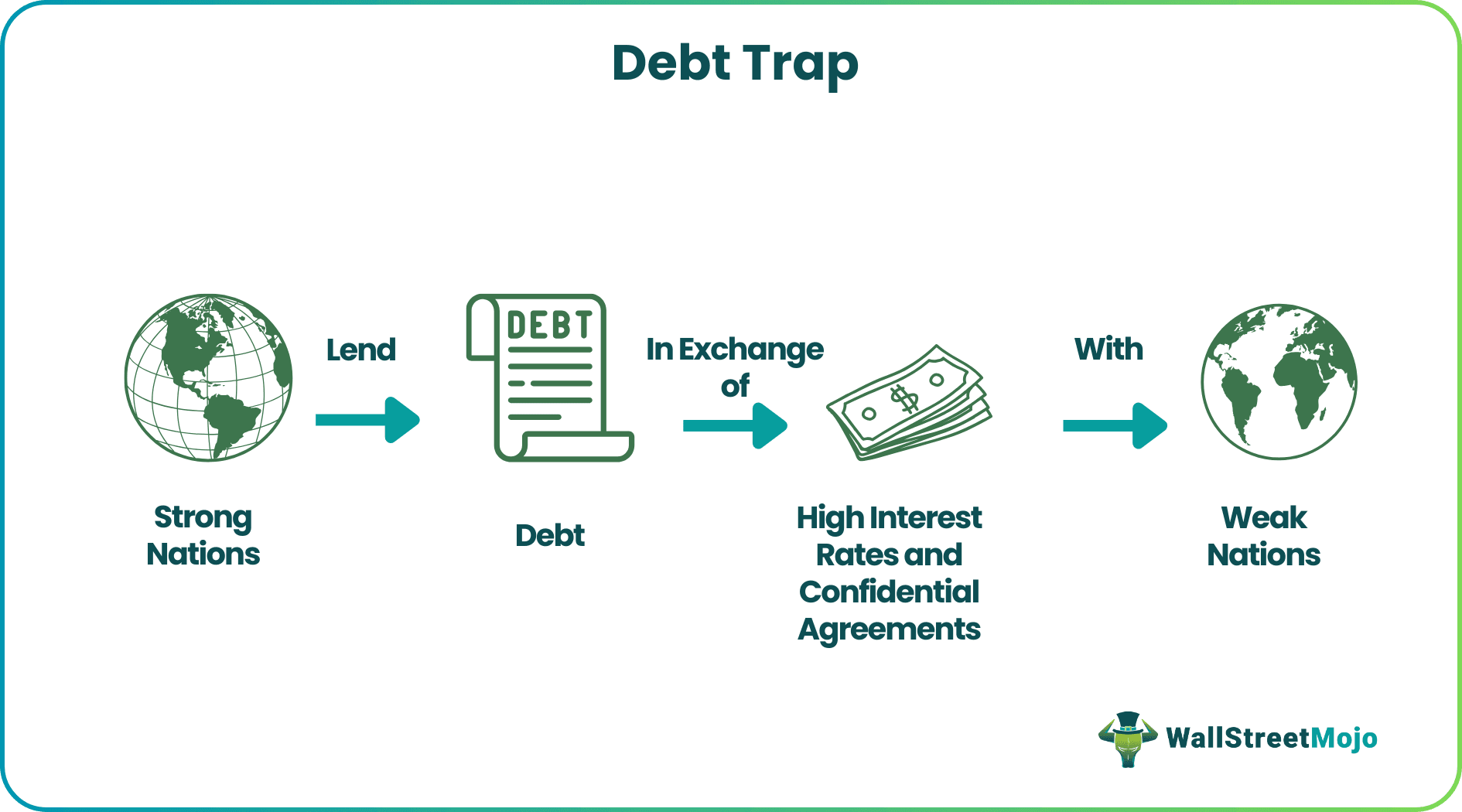
Most weavers lack the working capital to purchase high-count cotton or silk yarn upfront. The Mahajan fills this gap by providing yarn and a weekly subsistence wage. This creates a debt-bondage cycle where the weaver is legally or socially obligated to sell the finished product back to the Mahajan at a pre-negotiated rate that rarely reflects shifts in market demand.
The structural inefficiencies manifest in three ways:
- Margin Compression: The artisan typically receives 15% to 25% of the final retail price. The remaining 75% is absorbed by logistics, branding, and intermediary markups.
- Quality Dilution: To meet the demand for "affordable" Jamdani, intermediaries often push weavers to use lower-grade cotton or polyester blends. This erodes the brand equity of the Geographical Indication (GI) status that Jamdani holds.
- Skill Attrition: As the real wages for weavers remain stagnant against inflation, the younger generation is migrating toward the Ready-Made Garment (RMG) sector, which offers predictable hours and standardized pay.
The Geographic Monopoly and the GI Factor
Bangladesh secured the Geographical Indication (GI) tag for Jamdani in 2016, a move intended to protect the intellectual property of the Shitalakshya river basin weavers. The unique microclimate—specifically the humidity levels near the river—is historically cited as essential for maintaining the elasticity of fine cotton yarn during the weaving process.
While the GI tag provides a legal framework for protection, it does not automatically translate into market power. For the GI tag to function as an economic lever, the industry must implement a Traceability Protocol. Without a digital or physical "birth certificate" for each sari that tracks the weaver's identity, the yarn count, and the hours of labor, the GI tag remains a passive label rather than an active value driver.
Deconstructing the Luxury vs. Commodity Paradox
The Jamdani industry is currently caught in a "middle-income trap" of craftsmanship. It is too expensive to compete with machine-made replicas from regional competitors but lacks the branding infrastructure to compete with European luxury houses like LVMH or Hermès.
To escape this, the sector must reclassify its output. There are two distinct tracks:
1. The Heritage Luxury Track (High-Margin, Low-Volume)
This segment focuses on the 100+ yarn count category. The value proposition here is exclusivity and technical impossibility. The strategy requires a shift from selling "fabric" to selling "provenance."
- Metric: Revenue per artisan hour.
- Target: Global collectors and high-net-worth individuals.
2. The Contemporary Lifestyle Track (Medium-Margin, High-Volume)
This segment applies Jamdani motifs to diverse product lines—scarves, home textiles, and western-wear accents. This requires modernizing the loom widths and diversifying the yarn types (e.g., linen-silk blends) to suit international garment standards.
- Metric: Inventory turnover ratio.
- Target: The ethical fashion consumer.
Structural Interventions for Market Stabilization
Solving the artisan crisis requires more than philanthropic grants; it requires a redesign of the financial plumbing supporting the looms.
Direct-to-Consumer (D2C) Infrastructure
The removal of the Mahajan layer is only possible if weavers gain access to digital payment systems and logistics hubs. By utilizing decentralized e-commerce platforms, weaving clusters can capture the 30% markup previously lost to regional wholesalers. This requires a "Shared Services" model where a cooperative manages the photography, marketing, and shipping, while the weavers focus exclusively on production.
Standardization of Yarn Quality
A significant risk to the industry is the volatility of raw material prices. Centralized procurement of high-count yarn through weaver cooperatives would allow for bulk purchasing power, reducing the input cost by an estimated 10% to 15%.
The "Master-Apprentice" Subsidy
The apprentice system is failing because the "learning wage" is below the cost of living. A strategic intervention would involve a state or private-sector subsidy for apprentices, structured as a performance-based grant. This ensures the transfer of tacit knowledge—the specific finger-movements and mental calculations of motifs—remains unbroken.
The Risk of Industrial Encroachment
The greatest threat to Jamdani is not the lack of demand, but the "commoditization of the aesthetic." Digital printing technology can now mimic the look of Jamdani motifs at 1% of the cost. To the untrained eye, a $20 printed sari looks similar to a $500 hand-woven one.
The industry’s defense must be built on the haptic and structural differences of the hand-woven product. A hand-woven Jamdani has no "back" side; the motifs are identical on both sides of the fabric because they are part of the weave, not an overlay. This technical superiority must be the cornerstone of all marketing efforts.
Strategic Forecast and Implementation
The next five years will determine if Jamdani remains a living industry or becomes a museum piece. The trajectory suggests that the number of active looms will decrease as low-skill weavers leave the trade. This contraction is not necessarily a failure; it is a market correction. A smaller, highly specialized workforce producing ultra-premium textiles is more sustainable than a mass-market workforce producing undervalued goods.
Strategic Action Plan for Stakeholders:
- Establish a Yarn Bank: Create a centralized repository of 100-120 count cotton to decouple weavers from high-interest material loans.
- Digital Ledger Integration: Implement a blockchain-based or QR-code traceability system to verify the "Artisan Hours" behind every premium piece.
- Architectural Modification: Invest in ergonomic loom designs. The traditional pit loom, while culturally significant, causes long-term spinal issues for weavers. Modernizing the physical workspace is a prerequisite for retaining the next generation of labor.
The survival of the craft depends on shifting the narrative from "poverty-alleviation" to "luxury manufacturing." If the industry continues to market itself based on the "struggle" of the weaver, it will only attract sympathy-based purchases, which are unsustainable. If it markets itself based on the "unrivaled technical complexity" of the weave, it can command the prices necessary to sustain its labor force.