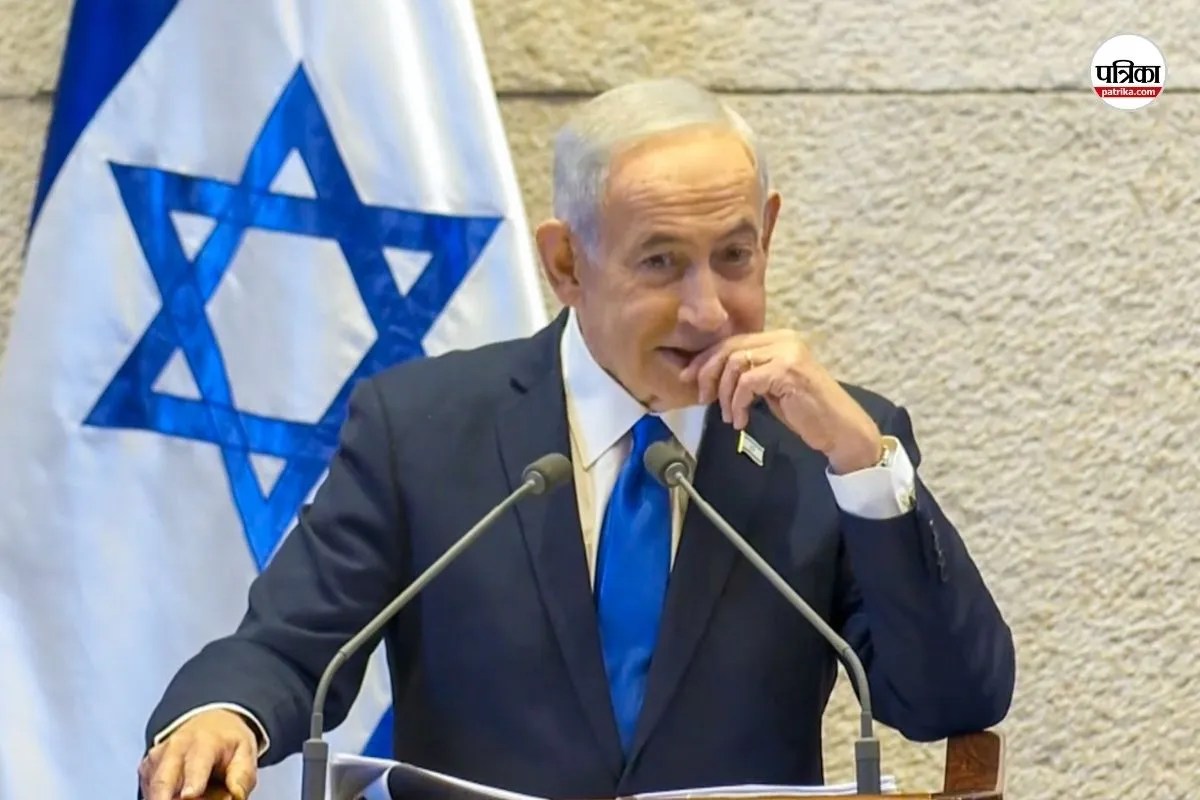
The geopolitical landscape surrounding the Middle East has shifted from localized skirmishes to a broader, more dangerous diplomatic confrontation. Ten nations have now formally coalesced to challenge Israel’s military strategy in Lebanon, signaling a significant fracture in international patience. This is no longer just about border security. It is about a growing consensus that the collateral damage to Lebanese infrastructure and the targeting of aid networks has crossed a line that even traditional allies find difficult to defend. The central demand from this coalition is simple: Benjamin Netanyahu must cease military operations immediately or face unprecedented diplomatic and economic isolation.
The Breaking Point of International Patience
For months, the narrative focused on the exchange of fire across the Blue Line. However, the situation changed when humanitarian corridors became the primary casualty of the conflict. The ten nations, including prominent European and Middle Eastern powers, argue that the Israel Defense Forces (IDF) are systematically dismantling the logistics required to keep the Lebanese civilian population alive. They point to the destruction of health facilities and the deaths of first responders as evidence of a strategy that prioritizes total military dominance over human rights obligations.
Prime Minister Benjamin Netanyahu remains steadfast. He maintains that the military objective—the neutralization of Hezbollah’s infrastructure—is the only way to ensure the safety of northern Israeli residents. But the international community is beginning to see this as a pursuit of a "forever war." The coalition argues that by targeting those providing aid in Lebanon, Israel is creating a vacuum that only extremists can fill. This isn't just a humanitarian complaint; it’s a strategic warning. History shows that when you destroy the social fabric of a nation to root out a militia, the militia often becomes the only entity left to provide for the people.
The Mechanism of Modern Warfare and Humanitarian Friction
In modern combat, the distinction between a military target and a civilian utility is often blurred. Hezbollah uses tunnels and residential buildings. That is a fact. But the ten-nation coalition argues that Israel’s response is disproportionate. They are questioning the intelligence-sharing and the rules of engagement that lead to the strike of a convoy or a clinic.
When an airstrike hits a vehicle marked for medical transport, the diplomatic fallout is immediate. Israel often cites "operational necessity" or claims the vehicle was being used to transport weapons. The coalition is now demanding a higher standard of proof. They are tired of the post-strike justifications. They want pre-emptive restraint. This shift in demand marks a transition from passive observation to active intervention in the military planning process of a sovereign state.
The Economic and Political Leverages
What makes this specific group of ten nations dangerous for the Netanyahu administration is their collective economic weight. We are not just looking at symbolic UN resolutions. Several of these nations are key trading partners. Others control critical maritime routes or provide the diplomatic cover Israel needs in international forums like the ICC.
If this coalition moves from verbal condemnation to tangible sanctions, the Israeli economy—already strained by the cost of prolonged mobilization—could face a severe downturn. The cost of a single day of high-intensity conflict is staggering. When you add the threat of trade embargoes or the suspension of dual-use technology licenses, the military math begins to look very different. Netanyahu is playing a high-stakes game of chicken with the global economy, betting that his security narrative will outweigh the financial interests of his critics.
The Hidden Objective Behind the Surge
While the public face of this conflict is about rockets and airstrikes, the underlying tension is about the regional map. These ten nations are concerned that the war in Lebanon is a precursor to a wider regional reconfiguration. By pressuring Israel to stop now, they are attempting to freeze the map before it becomes unrecognizable.
The coalition believes that the longer the war continues, the higher the chance of direct Iranian involvement. They see Lebanon not just as a battlefield, but as a fuse. If that fuse burns all the way to the end, the resulting explosion will disrupt global energy markets and spark a refugee crisis that will hit European shores within weeks. Their demand for a ceasefire is an act of self-preservation dressed in the language of humanitarianism.
The Failure of Traditional Diplomacy
The reason this ten-nation bloc has emerged is because the traditional mediators have failed. For decades, the United States was the only voice that mattered in Jerusalem. That is no longer the case. The fragmentation of global power means that a mid-sized coalition can exert significant pressure by acting as a unified front. They are bypassing the usual channels and going straight to the court of public opinion, backed by the threat of withdrawing cooperation on security and intelligence.
Netanyahu’s "security first" mantra is meeting the "stability first" mantra of the world. These two ideologies are currently in a head-on collision. The coalition’s message to the Israeli cabinet is that the era of the "blank check" is over. Every strike in Lebanon is now being scrutinized not by a military lawyer, but by a global audience with the power to cut off the supply lines of the state.
The Reality of the Ground Campaign
Reports from southern Lebanon suggest a level of destruction that rivals the worst days of the 2006 war. Entire villages are being evacuated, not because they are combat zones, but because the basic infrastructure of life—water, power, and food distribution—has been severed. The ten nations argue that this is a deliberate tactic of displacement.
Israel denies this, stating that they provide warnings and that the displacement is a temporary necessity of war. But the "temporary" nature of these actions is being questioned. Once a population is moved and their homes are destroyed, "return" becomes a theoretical concept. This is the "why" behind the coalition’s urgency. They fear a permanent demographic shift that will destabilize the Levant for a generation.
The Logistics of the Demand
The demand for an immediate cessation of hostilities includes specific checkpoints:
- The opening of all land crossings for unimpeded aid.
- A guarantee of safety for UNIFIL and non-governmental medical teams.
- The cessation of strikes on civilian infrastructure regardless of suspected military presence.
- The commencement of a monitored withdrawal to the previous status quo.
None of these are easy for Israel to accept. From a military perspective, these demands are viewed as giving Hezbollah a chance to rearm and regroup. But from a diplomatic perspective, ignoring these demands is becoming unsustainable.
The Political Future of the Netanyahu Cabinet
Internally, the Israeli government is not a monolith. While Netanyahu pushes for total victory, there are voices within the security establishment who recognize that a war without a diplomatic exit strategy is a defeat in disguise. The pressure from the ten nations empowers those internal critics. It provides them with the evidence they need to argue that the current path is leading to national isolation.
The "brutal truth" of the situation is that military power has a shelf life. It is highly effective in the first few weeks of a conflict, but its utility diminishes as the diplomatic costs pile up. Israel is currently in the zone of diminishing returns. The harder they strike, the more they solidify the resolve of this international coalition. It is a feedback loop that leads to a strategic dead end.
The Strategic Miscalculation
There is a growing sense among industry analysts and regional experts that the Israeli leadership may have misjudged the global mood. The assumption that the world would remain focused on the atrocities of the initial attack indefinitely has proven false. The focus has shifted to the present conduct of the war.
By targeting those perceived as "helpers" or "medics" in Lebanon—whether by accident or design—the IDF has provided the coalition with the moral high ground they needed to move from quiet concern to loud, aggressive demands. This wasn't a tactical failure on the battlefield; it was a catastrophic failure of optics and international law management.
The ten nations are not just asking for a pause; they are demanding a fundamental shift in how Israel interacts with its neighbors. They are asserting that the security of one nation cannot come at the total expense of the sovereignty and survival of another. This is the new reality Netanyahu faces. He is no longer just fighting a militia in the hills of Lebanon; he is fighting a global consensus that is rapidly closing in on his administration.
The window for a purely military solution has closed. Every subsequent airstrike now carries a diplomatic price tag that the Israeli state may find impossible to pay. The coalition has laid out the terms. The next move determines whether Israel remains a part of the international order or chooses a path of total, uncompromising, and ultimately lonely defiance. Stop the strikes on the helpers. End the war in Lebanon. Or face the consequences of a world that has finally decided it has seen enough.