The logistical nightmare of moving two half-ton bears across the Pacific Ocean is not just a triumph of crate engineering. It is a calculated move in a multi-billion dollar diplomatic chess match. While the public focuses on the optics of a "blind date" for two giant pandas at Zoo Atlanta, the reality is a grueling 8,000-mile transit that serves as a pulse check for U.S.-China relations. This is not a simple animal transfer. It is a high-pressure operation involving specialized cargo jets, climate-controlled transport, and a delicate web of international permits that could vanish with a single political misstep.
The Logistics of Moving Living National Treasures
Transporting giant pandas requires more than just a large cage and a lot of bamboo. To move these animals from the Chengdu Research Base of Giant Panda Breeding to Atlanta, officials must coordinate a non-stop flight that minimizes stress on the bears. This often involves a dedicated freighter, such as a Boeing 777F, which serves as a flying life-support system.
The animals travel in custom-built steel and plexiglass crates. These are not dark boxes. They are designed to allow keepers to monitor breathing and behavior during every minute of the flight. Inside the cabin, the temperature is kept at a crisp level to mimic the high-altitude forests of Sichuan. A slight fluctuation in heat or a delay on the tarmac in a humid waypoint could lead to respiratory distress.
Feeding the Eight Thousand Mile Appetite
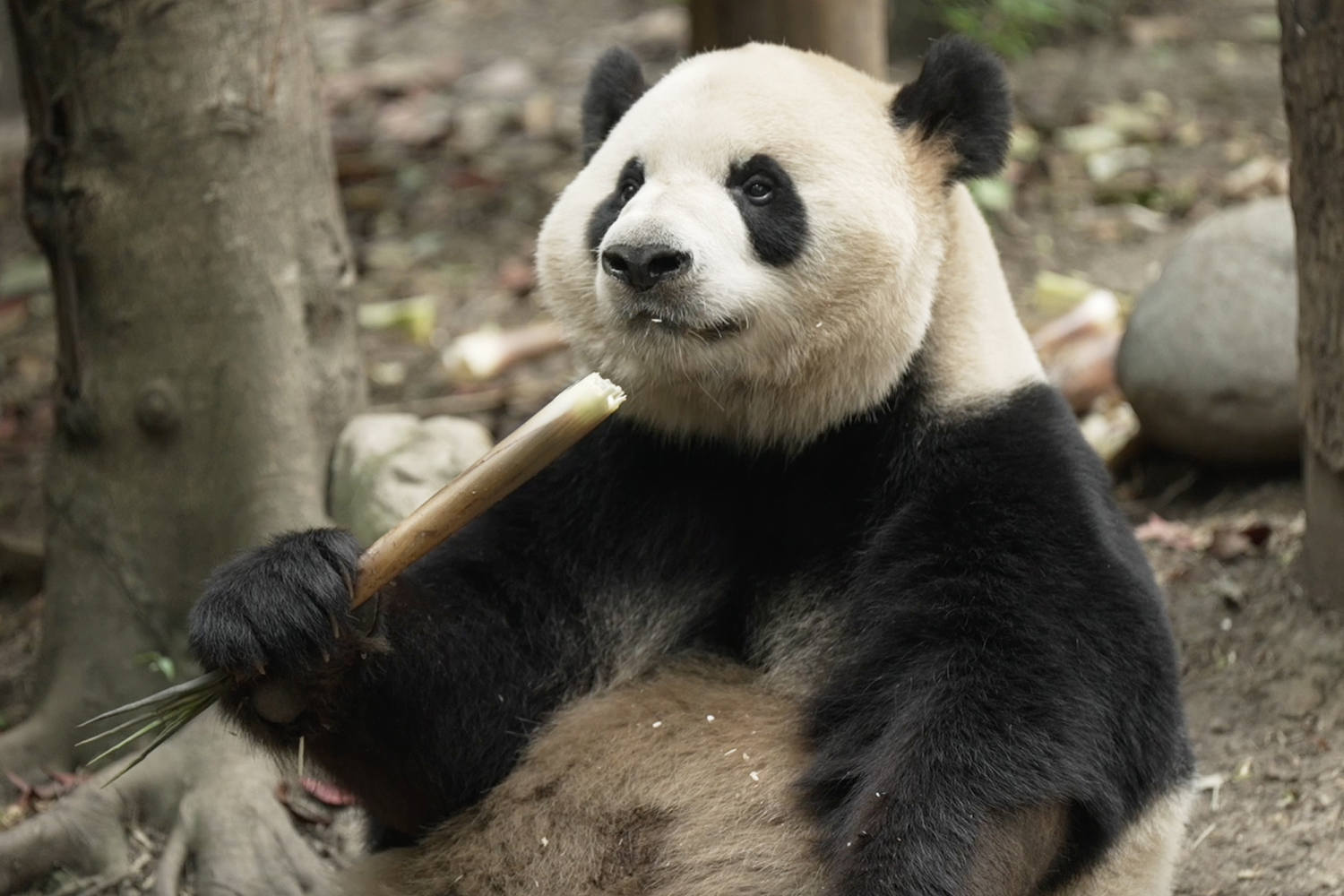
A single panda consumes between 26 and 84 pounds of bamboo daily. For a trans-Pacific flight, the manifest must include a massive surplus of fresh stalks, along with water and high-fiber biscuits. This isn't just about nutrition. It is about distraction. Pandas are sensitive to pressure changes and engine noise. Constant chewing helps them regulate ear pressure and keeps their anxiety levels manageable during the vibrations of takeoff and landing.
The Human Cargo
Every flight carries a team of specialists. Usually, this includes two keepers from the originating facility and a veterinarian. They do not sit in a separate cabin. They remain within arms' reach of the crates. If a panda stops eating or shows signs of lethargy, these experts must intervene in mid-air. There is no possibility of an emergency landing for a vet visit when you are halfway across the Bering Sea.
The Cold Hard Math of Panda Loans
The term "blind date" implies a romantic endeavor, but from a balance sheet perspective, it is a high-cost lease. Since 1984, China has transitioned from gifting pandas to a loan system. Most U.S. zoos pay a fee of roughly $1 million per year for a pair.
This money is technically earmarked for conservation efforts in China, but the financial burden on the host zoo goes far beyond the initial check. Atlanta, like its counterparts in San Diego or Memphis, must absorb the costs of specialized enclosures, massive quantities of fresh bamboo—which is often grown locally or flown in from specific farms—and a dedicated staff of biologists.
Why Zoos Take the Financial Risk
The math rarely adds up on ticket sales alone. Instead, pandas act as a halo attraction. They drive memberships, high-end donor interest, and merchandise sales that can keep a facility afloat for a decade. When a new pair arrives, it triggers a spike in local tourism and regional prestige. It is a branding exercise disguised as wildlife conservation.
The Liability of New Life
If the "date" is successful and a cub is born, the financial complexity deepens. Under standard loan agreements, any cub born on foreign soil belongs to China. The host zoo must pay a "baby tax," often around $400,000, and the cub is typically sent back to China after reaching maturity. This ensures that the genetic pool remains centralized and that China maintains its monopoly on the species.
Bamboo Diplomacy in a Fractured Era
The timing of panda arrivals and departures is rarely accidental. In the world of international relations, these bears are the ultimate soft-power tool. When tensions between Washington and Beijing flare over trade or technology, the "renewal" of panda contracts often becomes a sticking point.
We have seen this play out recently with the return of pandas from the National Zoo in Washington D.C. Their departure was viewed by many analysts as a cooling of ties. The arrival of a new pair in Atlanta serves as a vital signal that both nations are still willing to cooperate on highly visible, non-military projects.
The Fragility of the Agreement
The permits required for these transfers involve multiple agencies, including the U.S. Fish and Wildlife Service and the Convention on International Trade in Endangered Species (CITES). Because pandas are listed as vulnerable, the paperwork is dense. A single bureaucratic delay or a spike in geopolitical rhetoric can stall a transfer for months, leaving animals in limbo and zoos with empty enclosures.
Engineering the Perfect Meet Cute
The "blind date" aspect of the Atlanta arrival is a biological gamble. Pandas are notoriously picky breeders. The window for a female's estrus is incredibly short—often just 24 to 72 hours once a year.
Behavioral Compatibility
Zoos use data from the international studbook to match pairs based on genetic diversity, but that does not guarantee physical chemistry. Keepers watch for vocalizations and scent-marking behavior. If the two bears do not "click," the million-dollar investment yields no offspring.
The Role of Artificial Intervention
If natural mating fails, zoos often turn to artificial insemination. This process is medically intense and requires a team of reproductive physiologists. It lacks the charm of a "date" story, but it is the primary driver behind the rising panda population numbers globally.
The Ethics of the Long Haul
Critics often argue that flying a large mammal 8,000 miles is an unnecessary stressor that serves human entertainment more than species survival. While pandas are no longer technically "endangered," their "vulnerable" status means every individual is precious.
The counter-argument centers on the "ambassador" role. Without the physical presence of pandas in major cities like Atlanta, public interest in global conservation would likely crater. The bears serve as a gateway drug for environmentalism, drawing in donors who then fund less charismatic but equally vital projects.
Preparing the Ground in Atlanta
While the plane is in the air, the ground crew in Atlanta is under immense pressure. The transition from a Chinese research base to an American zoo involves a massive shift in diet, climate, and daily routine.
Quarantine Protocols
Upon landing, the bears do not go straight to the display habitat. They enter a mandatory quarantine period, usually 30 days. This is to ensure they haven't picked up any pathogens during travel and to allow them to acclimate to the local water and bamboo varieties.
The Staff Handover
The Chinese keepers usually stay in Atlanta for several months. They act as a bridge, teaching the American staff the specific personality quirks of each bear. Does one prefer the leaves over the stalks? Does the other react poorly to the sound of lawnmowers? This transfer of knowledge is as critical as the physical transfer of the animals.
The Spectacle and the Substance
The media will focus on the fluff—the cute faces, the bamboo snacking, and the hope for cubs. But the real story is the machinery behind the curtain. It is a story of heavy lift aviation, high-stakes finance, and the delicate dance of two superpowers using black-and-white bears to keep a door open that many want to see closed.
The success of this 8,000-mile journey isn't measured in the landing. It is measured in the next five years of cooperation. If the bears thrive, it provides a rare piece of common ground in an increasingly divided global landscape. If they struggle, it becomes a flashpoint for international criticism.
The crates are loaded. The flight path is set. Now, the world watches to see if this million-dollar gamble on the "blind date" of the century pays off in cubs or just in headlines.