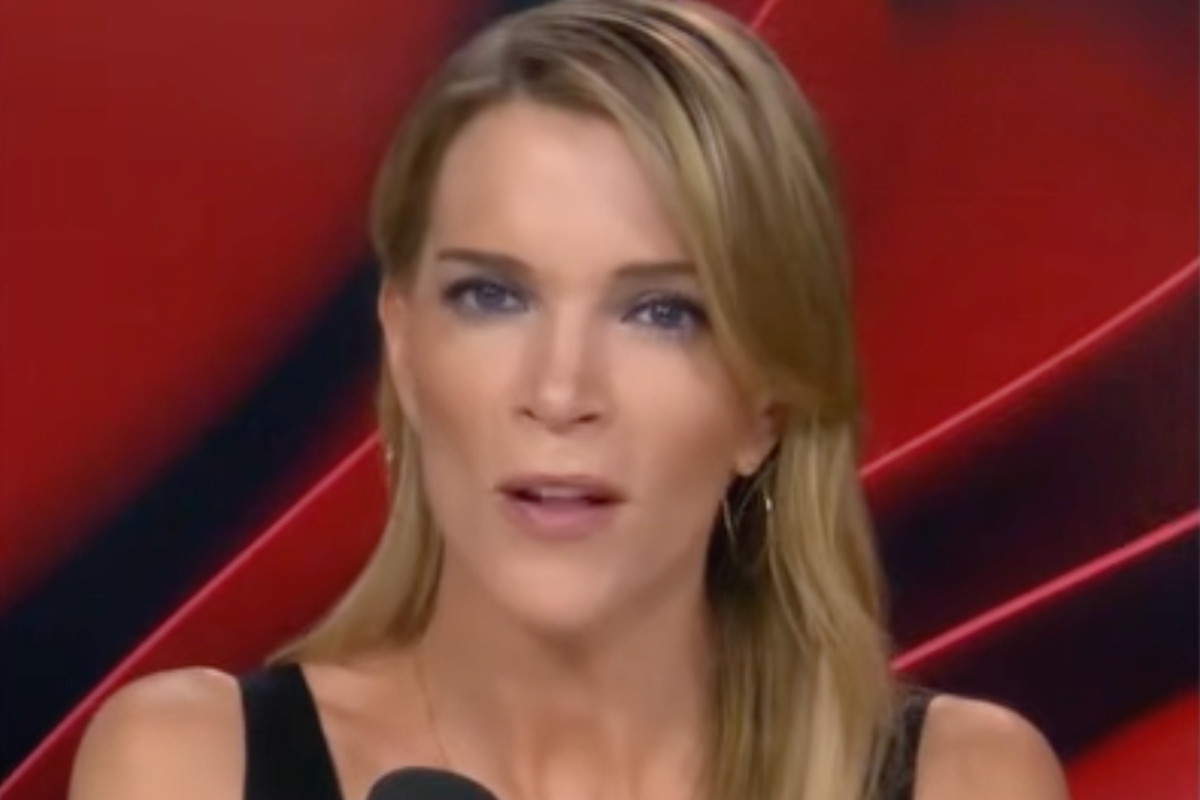
The internet erupted when high-fidelity images of Girls’ Generation star Tiffany Young and actor Byun Yo-han surfaced, appearing to depict a lavish, private wedding. They looked happy. The lighting was perfect. The lace on the gown was intricate enough to pass a jeweler's inspection. But the ceremony never happened. These images were the product of sophisticated generative tools, shared not by a news outlet or a studio, but by anonymous creators testing the limits of public belief. While the immediate reaction was a flurry of debunking and fan panic, the deeper crisis isn't about two celebrities in a fake chapel. It is about the total collapse of visual evidence as a metric for truth in the entertainment industry.
For decades, the paparazzi shot or the "leaked" grainy cell phone photo was the gold standard of tabloid proof. If there was a photo, there was a story. That era died the moment diffusion models reached a level of anatomical accuracy that eliminated the "uncanny valley" effect. When AI can replicate the specific squint of a star’s eyes or the way light bounces off a silk lapel, the photograph moves from being a record of an event to being a mere suggestion.
The Weaponization of Parasocial Desires
The Tiffany Young and Byun Yo-han incident succeeded because it fed a specific hunger. In the world of Hallyu and global celebrity culture, fans don't just follow stars; they curate lives for them. This is the parasocial trap. For years, "shippers"—fans who want to see two stars in a relationship—resorted to crude Photoshop or fan fiction. Now, they have the keys to a digital backlot.
This isn't just hobbyism. It is a form of narrative hijacking. When a creator generates a wedding that didn't happen, they aren't just making a "cool image." They are actively polluting the search results and digital footprint of real people. For a celebrity, their image is their primary financial asset. When that asset is manipulated to create false narratives, it creates a ripple effect that touches brand endorsements, contract negotiations, and personal safety. If a brand thinks a star is secretly married or embroiled in a private scandal because of a hyperrealistic "leak," the legal and financial fallout is immediate and expensive.
The Technical Infrastructure of Deception
To understand why this is happening now, we have to look past the apps. The underlying technology has shifted from simple face-swapping—which often looked rubbery and flat—to latent diffusion models that understand the physics of an environment.
These systems don't just paste a face onto a body. They calculate how a specific camera lens would distort a background. They simulate how a flash would hit a specific skin tone. This is why the Young-Byun photos were so effective. They didn't look like "AI." They looked like a Leica shot in the hands of a professional photographer.
The barrier to entry has also vanished. A few years ago, creating a convincing fake required a high-end GPU and significant coding knowledge. Today, a teenager with a basic subscription and a few "LoRA" weights—tiny, specialized data packets trained on a specific person’s face—can churn out a hundred "candid" shots in an afternoon. We are drowning in a surplus of high-quality lies.
Why Platforms and Labels are Losing the War
Entertainment agencies like SM Entertainment or BH Entertainment find themselves in a game of whack-a-mole that they are structurally destined to lose. The traditional legal playbook involves sending cease-and-desist letters to publishers. But who do you sue when the "publisher" is a decentralized network of social media accounts spanning a dozen different jurisdictions?
Platforms like X, Instagram, and TikTok have attempted to implement "AI-generated" labels. They are failing.
- Metadata Stripping: Most social platforms strip the C2PA or EXIF data that identifies an image as AI-generated the moment it is uploaded.
- Compression Artifacts: The natural degradation of an image as it is shared and re-saved makes technical detection tools increasingly unreliable.
- Human Curation: AI detectors are currently in an arms race with generators. For every new detection algorithm, a new "denoiser" is released to bypass it.
The labels are also terrified of alienating the very fanbases that drive their revenue. If they crack down too hard on "fan art"—even the hyperrealistic kind—they risk a PR backlash. This hesitation has created a vacuum where the line between "tribute" and "defamation" has blurred into nonexistence.
The Death of the Candid Moment
We are approaching a point where the "candid" photo—the pillar of celebrity marketing—is effectively worthless. In the past, a star caught at a cafe was a moment of authenticity. Now, that same photo will be met with immediate skepticism.
This creates a paradoxical "liar’s dividend." When everything can be fake, a celebrity caught in a real scandal can simply claim the evidence was AI-generated. We saw the early stages of this defense in political circles, and it is migrating rapidly to Hollywood and Seoul. The result is a total erosion of accountability. If the public cannot trust their eyes, they stop looking for the truth and start looking for the version of reality that suits their existing biases.
The Intellectual Property Black Hole
The legal system is currently ill-equipped to handle the specific nature of these fakes. Most "Right of Publicity" laws were written to prevent a company from using a celebrity's face on a cereal box without paying. They weren't designed for a world where an individual can generate a 10-episode "secret life" of a pop star for their own amusement.
We are seeing a shift toward "biometric privacy" laws, but these are fragmented. In the United States, several states are scrambling to pass "NO FAKES" acts, which would create a federal property right for an individual's voice and likeness. In South Korea, where the Tiffany Young photos originated, the legal landscape is even more complex due to the intense cultural weight of "honor" and "reputation." But even the strictest laws struggle with the "Ghost in the Machine" problem. If an AI generates a person who looks mostly like Tiffany Young but has slightly different features, is it a violation or a "transformative work"?
Rebuilding the Trust Architecture
If we cannot trust the image, we have to trust the source. This is a return to a pre-digital era of gatekeeping, which carries its own set of problems.
We are likely to see a move toward "Verified Reality" feeds. Imagine a world where a celebrity’s official channel is the only place where a photo is considered "legal tender." This would require a blockchain-style ledger for every official image released, creating a digital trail from the camera's sensor to the user's screen.
This doesn't solve the problem of the "fake wedding" photo, though. It only highlights the divide. The fake images will continue to circulate in the dark corners of the web, gaining traction among those who want them to be true. The real danger isn't that we will be fooled by a fake; it's that we will become so cynical that we no longer care what is real.
The Cost of Digital Intimacy
There is a psychological toll on the subjects of these fakes that the industry rarely discusses. For Tiffany Young or Byun Yo-han, seeing themselves in a wedding they never attended is a profound violation of agency. It is a form of digital stalking dressed up as technological progress.
When we allow these images to circulate without friction, we are consenting to a world where a person's identity is no longer their own. It becomes a set of data points to be rearranged by whoever has the most processing power. This is the brutal truth of the current era. The "concern" over hyperrealistic AI isn't about a few fake photos. It is a mourning period for the concept of an objective, shared reality.
The next time a "leaked" photo drops of your favorite star in a compromising or celebratory moment, don't look at the pixels. Look at the intent. In a world of infinite fakes, the only thing that still has value is the verifiable, boring, and often un-photogenic truth.
Demand a digital signature for every image you consume. If the platform can't prove where the light came from, assume it was never there.