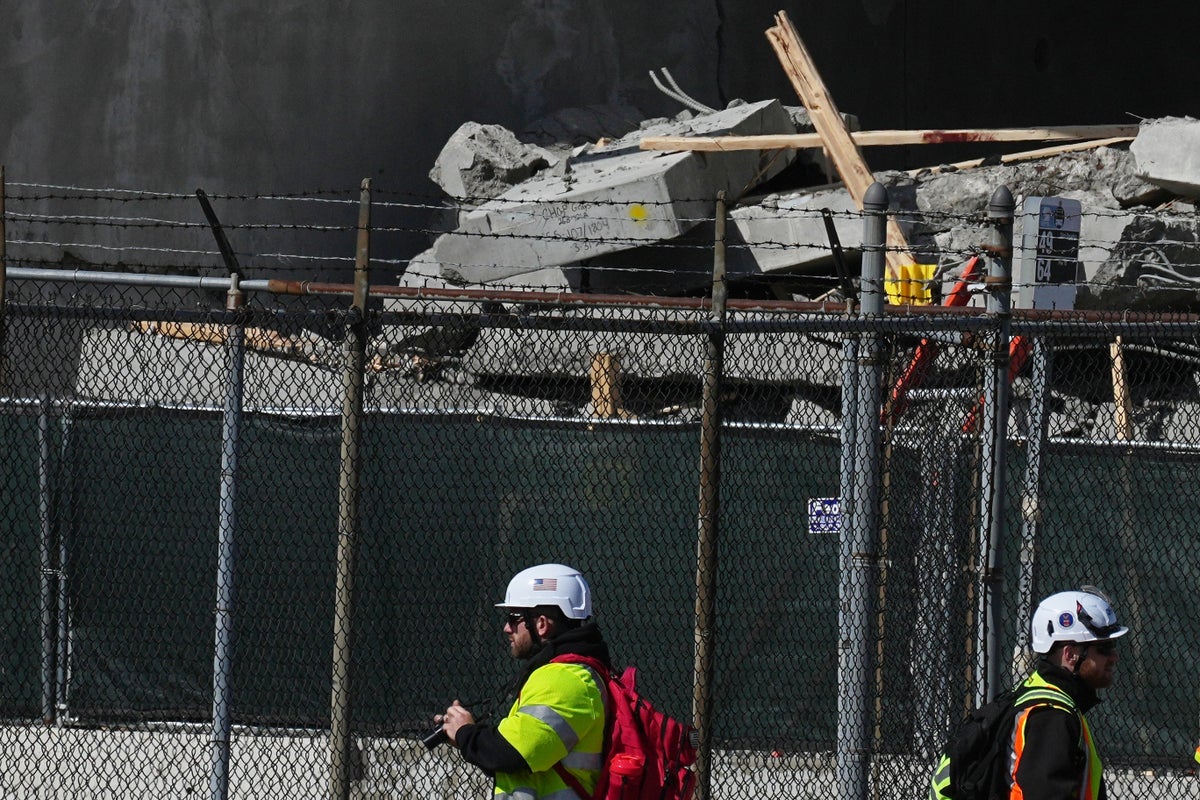
Recovery crews in Philadelphia have transitioned from a desperate rescue mission to a grim recovery operation following the structural failure of a multi-level parking garage. Two bodies were pulled from the wreckage days after the initial collapse, confirming the worst fears of the community and the families of those missing. While the immediate headlines focus on the search efforts, the underlying story is one of systemic neglect, aging infrastructure, and a regulatory framework that often waits for a body count before demanding accountability. This was not a freak accident. It was the predictable result of structural fatigue meeting bureaucratic apathy.
The Illusion of Stability
Parking garages are among the most invisible and abused structures in the modern urban environment. They are subjected to unique stresses that residential or office buildings rarely face. In Philadelphia, the seasonal cycle of freezing and thawing creates a punishing environment for reinforced concrete. Road salt, carried in on the tires of thousands of vehicles, creates a chemical cocktail that seeps through cracks and attacks the internal steel rebar. Meanwhile, you can explore related developments here: The Dark Silence at Buchenwald and the Breaking of Germany’s Cultural Consensus.
Once the steel begins to oxidize, it expands. This expansion exerts an outward pressure that the surrounding concrete cannot withstand, leading to spalling and the eventual loss of structural integrity. In this specific case, the failure appears to have begun at a critical junction point, triggering a progressive collapse where the weight of one floor overburdens the one below it. The result is a vertical pancake effect that leaves little room for survival and makes the work of first responders exponentially more dangerous.
The Warning Signs We Ignore
Building inspectors often find themselves overwhelmed by the sheer volume of aging properties in a city as old as Philadelphia. A garage built forty or fifty years ago was not designed for the modern weight of heavy electric vehicles or the sheer frequency of use seen today. When owners defer maintenance to save on overhead, they aren't just cutting costs; they are betting against physics. To see the complete picture, check out the recent analysis by Associated Press.
A "deferred maintenance" tag on a structural report is frequently treated as a suggestion rather than a mandate. Owners often patch the surface to hide the rust stains or the crumbling edges, creating a cosmetic fix for a terminal disease. True structural remediation is expensive, requiring the stripping of concrete and the replacement of steel. For many commercial operators, the math favors the risk of a fine over the certainty of a multimillion-dollar renovation.
A Fragmented Oversight System
The regulatory environment surrounding parking structures in the United States is a patchwork of local ordinances that vary wildly from one zip code to the next. While some cities have enacted strict periodic inspection requirements, many still rely on "visual assessments" that don't look beneath the surface. Philadelphia has its own sets of codes, but the gap between the law and the enforcement of that law is where tragedies happen.
We see a recurring pattern in urban disasters. An inspector notes an issue, the owner files a permit for a minor repair, and the file is marked "in progress" for months or years. During that window, the structure continues to degrade. There is no centralized, high-stakes database that triggers an immediate shutdown of a facility when structural integrity reaches a tipping point. Instead, we rely on the discretion of property managers who are often incentivized to keep the gates open and the revenue flowing.
The Liability Shell Game
When a collapse occurs, the legal battle often reveals a tangled web of LLCs and holding companies designed to insulate the primary owners from financial ruin. This corporate shielding makes it incredibly difficult for victims' families to find a clear path to justice. The investigation into this Philadelphia collapse will likely spend more time in the boardrooms and accounting offices than in the rubble itself.
Investigators will look at the last five years of maintenance logs. They will check if the recommendations made by structural engineers were actually followed or if they were ignored in favor of more "urgent" aesthetic upgrades. In many cases, the money meant for structural support is diverted to high-visibility areas like lobbies or lighting, while the bones of the building are left to rot in the dark.
The Engineering Reality
To understand why these structures fall, you have to look at the tension between the materials. Concrete is magnificent in compression—it can hold up immense weight. But it is notoriously weak in tension. That is why we shove steel into the middle of it. The steel provides the "pull" that keeps the concrete from snapping.
In a parking garage, the constant vibration of moving cars creates micro-fractures. If water gets into those fractures, the clock starts ticking. In Philadelphia, we have seen instances where the drainage systems were blocked for years, allowing standing water to pool on the upper decks. This adds thousands of pounds of unplanned weight while simultaneously feeding the corrosion of the steel skeleton. It is a slow-motion disaster that only looks like a sudden event the moment the final support gives way.
The Cost of Real Safety
Modernizing the inspection process would require more than just a clipboard and a flashlight. We have the technology to prevent these deaths. Ground-penetrating radar and ultrasonic testing can "see" inside the concrete to detect voids and rusted rebar before a crack ever reaches the surface. However, these tests are not free, and they are rarely mandatory.
If the city of Philadelphia, or any major metro area, wants to stop the next collapse, the shift must move from reactive to proactive. This means:
- Mandatory Non-Destructive Testing every five years for structures over 30 years old.
- Publicly Accessible Safety Ratings posted at every entrance, similar to health department ratings for restaurants.
- Immediate Closure Authority for inspectors who find "significant" structural decay, without the need for a lengthy court battle.
The Economic Pressure Cooker
The real estate market in Philadelphia has put immense pressure on every square foot of land. As the city grows, the demand for parking increases, leading to higher usage rates for these aging garages. Many of these structures were built with a life expectancy of 40 years. We are now pushing into year 50 and 60 for much of the downtown core.
When a garage is full 24 hours a day, maintenance becomes a logistical nightmare. Closing a section of the garage means losing thousands of dollars in daily revenue. In the mind of a short-sighted owner, a crack is just something to be monitored, not a reason to shut down the money machine. This mindset is what turns a maintenance issue into a crime scene.
Hidden Risks in the Construction Boom
While we look at the old buildings, we must also scrutinize the new ones. The rush to build fast and cheap often leads to shortcuts in the curing process of concrete or the quality of the materials used. The "value engineering" phase of a project is often just a fancy term for stripping out the safety margins that engineers traditionally included. If a building is designed to be "just strong enough," it has zero tolerance for the environmental stressors of the mid-Atlantic.
We are entering an era where the infrastructure built during the post-war boom is reaching its natural end. We can either pay the price for controlled demolition and reconstruction now, or we can continue to pay the price in lives and emergency recovery efforts later. The two bodies found this week represent a failure of the system to recognize that gravity does not negotiate.
A Culture of Silence
Workers in these facilities often see the debris. They see the chunks of concrete falling from the ceiling onto the hoods of cars. They see the "Caution" tape that stays up for months over a sagging beam. Yet, the whistle is rarely blown. There is a culture of acceptance around the decay of our urban centers, a feeling that "it’s always looked like that."
This normalization of deviance—the gradual process in which unacceptable practices or conditions become acceptable—is the silent killer. When a crack becomes part of the wallpaper, the danger is no longer perceived. It takes a total failure and the loss of life to reset the baseline of what is "safe."
The investigation in Philadelphia will eventually produce a thick report detailing the exact shear point and the precise chemical composition of the failed concrete. The engineers will sign off on it, and the lawyers will argue over the settlements. But the families of those found in the wreckage already know the truth. The building gave up because the people responsible for it gave up long ago.
Stop looking at the surface and start demanding to see the bones of the city. Every parking ticket and monthly fee paid to these facilities should be an investment in the user's safety, not just a contribution to a landlord's bottom line. The rubble in Philadelphia is a warning. If we don't change the way we monitor these concrete giants, it won't be the last.