The lawsuit filed by professors at Emory University against the administration and local law enforcement is not merely a dispute over a botched protest. It is a fundamental challenge to the shifting power dynamics of the American university. When faculty members are tackled, zip-tied, and chemically doused on the very quads where they are paid to mentor, the unspoken social contract of higher education dissolves. This legal action targets the decision to bypass internal de-escalation in favor of immediate, militarized intervention.
For decades, the "ivory tower" enjoyed a level of autonomy that kept the police at the perimeter. That era ended abruptly this past year. The Emory litigation serves as the primary case study for a nationwide trend where administrators now view their own faculty as tactical liabilities rather than stakeholders. By examining the specific mechanics of these arrests and the subsequent legal filings, we see a pattern of "emergency" protocols being used to circumvent traditional tenure protections and free speech guarantees. You might also find this connected coverage interesting: The Weight of Ten Thousand Souls on a Steel Horizon.
The Breach of the Sacred Quad
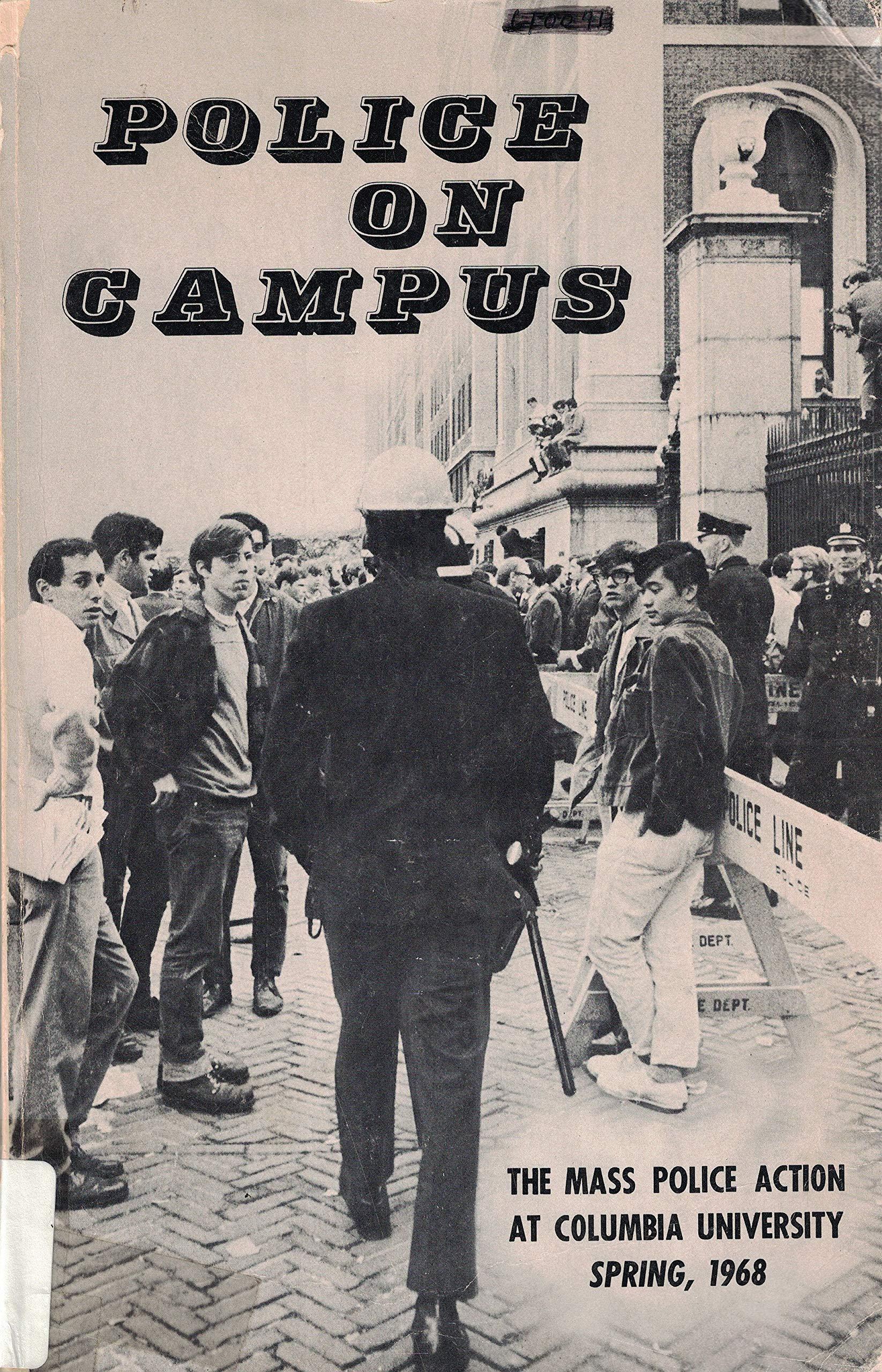
University campuses have historically operated as semi-autonomous zones. Within these borders, the exchange of ideas—even radical or disruptive ones—was governed by internal disciplinary committees. The moment the Emory administration called in the Georgia State Patrol and the Atlanta Police Department to clear a pro-Palestine encampment, they effectively surrendered that autonomy.
The plaintiffs argue that the force used was not a proportionate response to a trespass, but a performative display of state power. They weren't just removed; they were subjected to "pain compliance" techniques usually reserved for violent felons. This shift represents a move from administrative management to kinetic enforcement. When a professor of philosophy is face-down in the grass with a boot on their neck, the university is no longer an institution of learning. It is a managed asset under security lockdown. As reported in detailed articles by Reuters, the results are notable.
The Mechanics of the Crackdown
Documents and video evidence from the scene reveal a startling breakdown in the chain of command. Standard operating procedure for campus unrest typically involves multiple warnings, clear egress routes, and a "cool-down" period. On April 25, witnesses describe a timeline that moved from initial contact to flashbangs and pepper balls in a matter of minutes.
This compressed timeline is a tactical choice. By speeding up the escalation, the university eliminates the window for negotiation. This "shock and awe" approach on campus is designed to send a message to the broader student body: the faculty cannot protect you, and the administration will not protect the faculty. It is a deliberate dismantling of the internal hierarchy that has defined academic life for a century.
The Legal Fiction of Private Property
A core tension in this lawsuit rests on the definition of university land. While Emory is a private institution, it functions as a public forum and receives massive amounts of federal funding. The administration relies on "trespass" laws to justify arrests, but faculty members are legally contracted to be on that property.
Can a university legally trespass a tenured professor from their own place of work without due process?
The plaintiffs say no. They contend that their presence at the protest was an extension of their role as educators—witnessing the actions of their students and ensuring their safety. By treating them as outside agitators, the university ignored the contractual reality of the professor-employer relationship. This is the legal loophole administrators are currently trying to widen. They want the benefits of a vibrant, activist campus when recruiting students, but the control of a private corporation when those students (and their teachers) become inconvenient.
The False Narrative of the Outside Agitator
One of the most persistent tropes used by university PR departments during these arrests is the presence of the "outside agitator." It is a convenient boogeyman. By claiming that the protests are being driven by professional radicals, administrators justify a heavier police presence.
In the Emory case, the data tells a different story. The vast majority of those detained were students, staff, or faculty. The "outsider" narrative is a rhetorical shield used to strip the protest of its local legitimacy. When the police move in, they do not distinguish between a 19-year-old freshman and a 60-year-old department chair. To the state, they are all simply "targets" in a clearing operation.
The Weaponization of Conduct Codes
Beyond the physical arrests, there is the silent war of human resources. Professors involved in these lawsuits are often facing parallel internal investigations. These are not about the law, but about "professionalism" and "conduct."
- Vague definitions: "Conduct unbecoming of a faculty member" is being used as a catch-all to punish dissent.
- Administrative Leave: Used as a tool of isolation, cutting off professors from their students and research.
- Funding Threats: Subtle hints that future grants or departmental budgets are at risk if the litigation continues.
This is the "soft power" of the university being used to finish what the police started. It is a two-pronged attack: physical removal followed by professional erasure.
The Surveillance Quagmire
Another overlooked factor in these lawsuits is the role of campus surveillance technology. In the lead-up to the arrests, many universities used facial recognition, Wi-Fi tracking, and license plate readers to identify participants. The Emory legal team is digging into how this data was shared with law enforcement before any crime was even alleged.
We are seeing the birth of the Panopticon Campus. Students and faculty are now aware that their every movement—from which library they visit to which protest they stand near—is being logged and potentially used as evidence in a future criminal or disciplinary case. This creates a "chilling effect" that is far more permanent than a temporary encampment. It turns the campus from a place of exploration into a place of monitored compliance.
The Fiscal Cost of Force
Universities are, at their heart, businesses. The decision to call in the police has massive financial implications that go beyond legal fees.
- Insurance Premiums: Violent incidents on campus lead to skyrocketing liability insurance.
- Donor Backlash: While some donors demand "order," others are repulsed by the image of police brutalizing faculty.
- Recruitment Slump: Top-tier faculty are increasingly wary of joining institutions that show a willingness to arrest their peers.
The Emory lawsuit is a warning to boards of trustees everywhere. The short-term "win" of clearing a lawn comes with a long-term price tag that can reach into the tens of millions. The legal discovery process alone will likely unearth internal emails that show administrators were more concerned with optics and donor pressure than the safety of their employees.
The Death of De-escalation
The most damning aspect of the current climate is the abandonment of de-escalation. In previous decades, the goal was always to talk the protesters down. You wait them out. You engage in marathon bargaining sessions. You offer concessions on minor points to avoid a physical confrontation.
Today, that patience is gone. We live in an era of instant resolution. Boards of directors, pressured by political figures and social media cycles, demand that the "problem" be solved by the next morning's news cycle. This impatience is what leads to the use of chemical irritants and zip-ties. The Emory professors are suing because they recognize that if this becomes the new standard, the university as an intellectual sanctuary is dead.
The lawsuit isn't just about what happened on one afternoon in Georgia. It is an attempt to draw a line in the sand. If the courts rule that universities have total, unchecked power to use state violence against their own faculty, the tenure system is effectively worthless. A contract that protects your job but doesn't protect you from being tasered in your office doorway is a hollow document.
The Inevitable Collision
As these cases move through the discovery phase, the public will see the raw, unpolished reality of how modern universities operate. We will see the text messages between presidents and police chiefs. We will see the risk-assessment spreadsheets that prioritized lawn maintenance over human rights.
The tragedy of the Emory arrests is that they were entirely avoidable. There was no immediate threat of violence, no destruction of property that couldn't be cleaned with a hose, and no hostage situation. There was only a group of people making the administration uncomfortable.
The legal system must now decide if "uncomfortable" is a high enough bar to authorize the breaking of ribs and the blinding of eyes. If the professors win, it will be a landmark victory for academic freedom. If they lose, the American university will have completed its transformation into a gated corporate park, where the only permitted ideas are the ones that don't upset the shareholders.
The quad is no longer a place for debate; it is a battleground where the rules of engagement are being rewritten in real-time. Every professor, student, and citizen should be watching the dockets in Georgia. What happens there will dictate the boundaries of dissent for the next generation of American thinkers.
The suit moves forward, but the damage to the institution's reputation is already irreversible. You can replant the grass, but you cannot so easily repair the trust of a faculty that has seen its leadership turn the weapons of the state against them. The next time a dean speaks about "community" or "shared values," their words will ring hollow against the memory of the sirens and the sting of the gas.