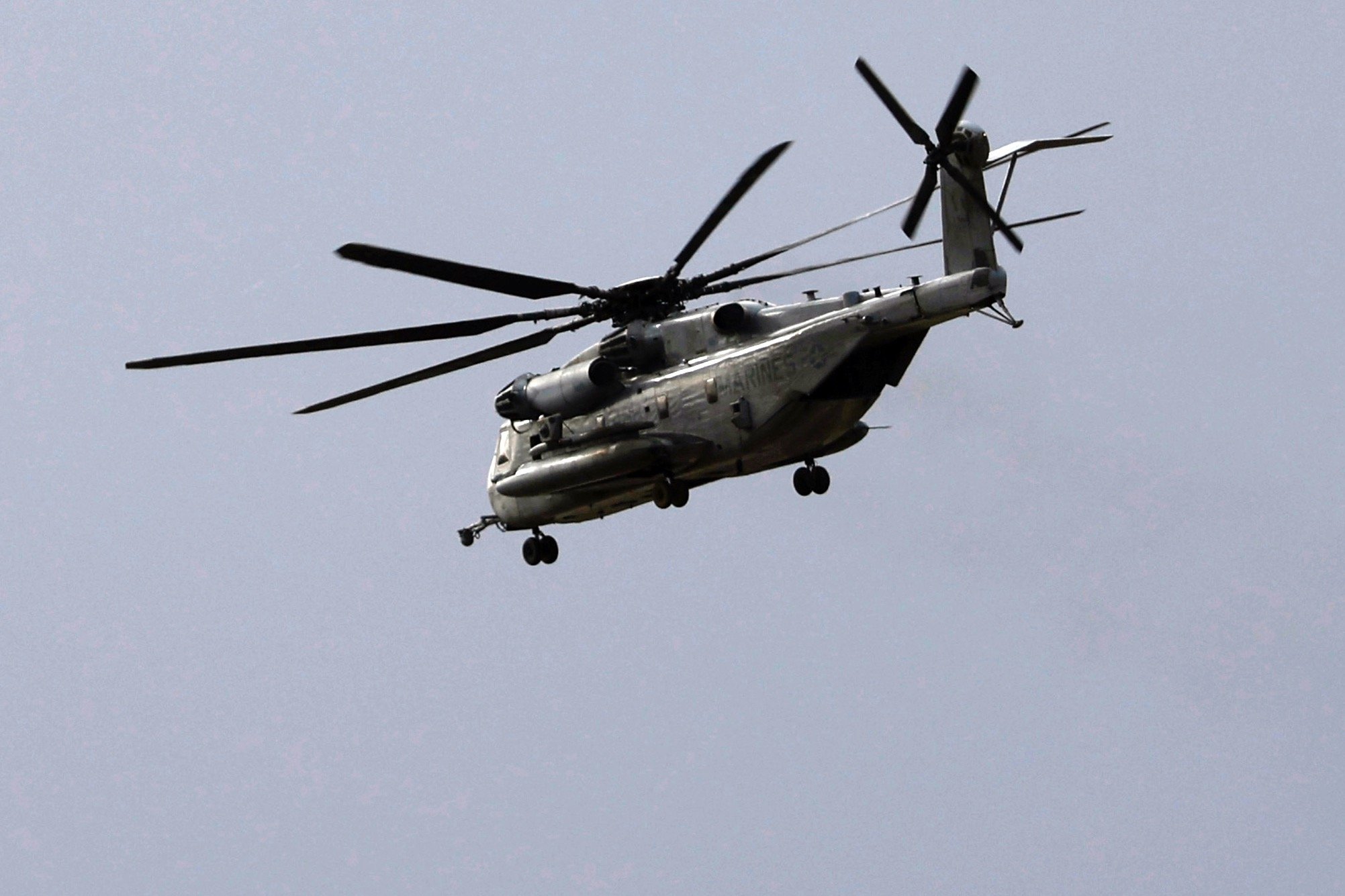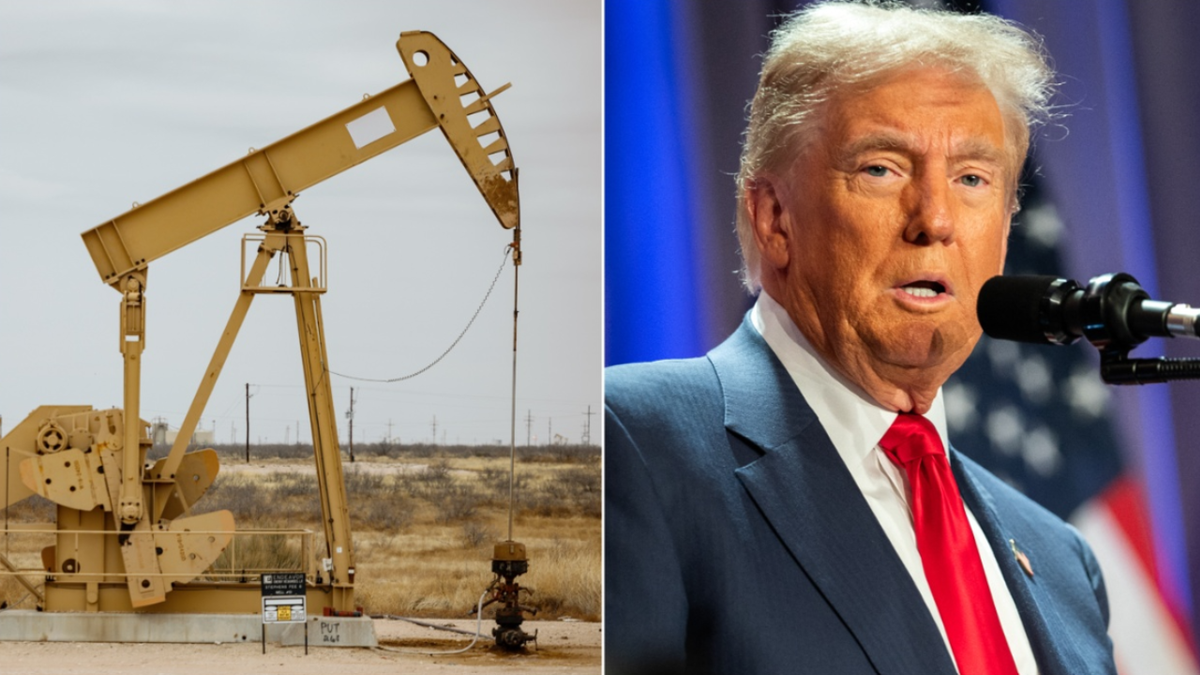
Donald Trump has characterized the prospect of a military conflict with Iran as a little diversion, a rhetorical pivot that signals a profound shift in how the White House views geopolitical friction as a tool for domestic leverage. By framing a potential war not as a last-resort national security catastrophe but as a manageable distraction, the administration is telegraphing a strategy that treats the Middle East as a stage for political theater. This isn't just a slip of the tongue; it is an intentional devaluation of the stakes involved in regional warfare, designed to test the appetite of both the American public and the Iranian leadership for a low-intensity, high-visibility confrontation.
To understand why this phrase matters, one has to look past the immediate shock value and examine the mechanics of distraction. When an incumbent faces a fractured legislative agenda or mounting internal pressure, the historical playbook suggests finding an external "other" to consolidate the base. However, the use of the word diversion is uniquely cynical. It suggests that the loss of life, the burning of capital, and the destabilization of global oil markets are secondary to the narrative utility of the conflict itself.
The Strategy of Low Intensity Friction
Modern warfare has moved away from the total-war models of the 20th century, moving instead toward a state of permanent gray-zone conflict. In this space, the goal is not to plant a flag or topple a regime, but to maintain a constant level of tension that can be dialed up or down depending on the news cycle. Trump’s comment reveals that he views Iran as a variable in a larger equation of political survival.
Iran knows this. They have spent decades perfecting the art of asymmetrical response. If the U.S. treats a conflict as a "little diversion," Tehran is incentivized to ensure the cost is anything but small. They do this through proxies in Yemen, Iraq, and Lebanon. They do it through the mining of the Strait of Hormuz. They do it because they understand that for a Western leader, the only thing worse than a war is a war that becomes a quagmire while being dismissed as a mere side-show.
The risk here is a massive miscalculation on both sides. If Washington believes it can launch "surgical" strikes without triggering a regional conflagration, it is ignoring the last thirty years of Middle Eastern history. If Tehran believes that Trump is purely posturing, it may overstep, forcing an escalation that neither side can actually afford. This is the danger of the "diversion" mindset—it treats the most volatile region on earth as a sandbox for domestic polling.
The Economic Impact of the Distraction
While the political class focuses on the rhetoric, the markets are looking at the math. A "little diversion" in the Persian Gulf involves the world’s most critical maritime chokepoint. Approximately 20% of the world’s petroleum passes through the Strait of Hormuz. Any kinetic action there, however brief, sends insurance premiums for tankers into the stratosphere.
Shipping companies do not care about political framing. They care about risk. When the U.S. commander-in-chief suggests that a war might be a distraction, he is essentially telling the global economy to prepare for volatility. This creates a feedback loop where the mere threat of conflict achieves the economic goals of sanctions without the need for a single shot to be fired. It is a form of economic psychological warfare where the rhetoric is the weapon.
The administration likely views this as a win-win. If no war happens, they look tough for "staving off" a threat they amplified. If a small-scale strike occurs, they dominate the news cycle for weeks. The collateral damage to the global supply chain is treated as a secondary concern, a mere footnote in the broader effort to maintain the initiative in the daily information war.
Domestic Politics as Foreign Policy
Foreign policy used to be the one area where the "water's edge" principle applied—politics stopped when the ships left the harbor. That era is dead. Trump has successfully merged his campaign strategy with the State Department's directives. Every move toward Iran is calculated for its impact on the evening news in the Midwest as much as its impact on the ground in Baghdad.
By calling it a diversion, he is also pre-emptively mocking his critics. He is telling the "forever war" skeptics that they are overreacting. He is telling the hawks that he is in control. It is a masterful, if terrifying, display of narrative dominance. He isn't arguing the merits of the Iran deal or nuclear proliferation; he is arguing about the scale of the event itself.
The Intelligence Gap
One of the most concerning aspects of this approach is the sidelining of the traditional intelligence community. When a conflict is viewed as a diversion, the nuanced, often contradictory reports from the CIA or the DIA become an obstacle. These agencies deal in shades of gray, in "high confidence" versus "moderate confidence" assessments. A diversion requires a clear, punchy narrative.
We have seen this before. When policy drives intelligence instead of intelligence driving policy, the result is usually a disaster. The "diversion" framework demands that Iran be a cartoon villain—strong enough to be a threat worth distracting people with, but weak enough to be brushed aside when the diversion is over. Reality rarely complies with such convenient casting. Iran is a sophisticated state with a deep bench of tactical thinkers who have survived decades of isolation. They are not a prop in a reality show.
The Human Cost of Rhetoric
Behind every "diversion" are the men and women who have to execute the mission. For the soldiers stationed at Al-Asad airbase or the sailors on the USS Abraham Lincoln, there is nothing "little" about the prospect of Iranian missiles. The devaluation of the mission’s gravity can have a corrosive effect on morale and readiness.
If the troops believe they are being used as a rhetorical device rather than a vital component of national security, the fundamental trust between the commander-in-chief and the military begins to fray. You cannot ask a person to put their life on the line for a "little diversion." You ask them to do it for a cause that is paramount to the survival of the nation. By lowering the rhetorical bar, Trump is inadvertently raising the stakes for the people who actually have to do the fighting.
Avoiding the Trap of Escalation
The only way out of this cycle is to force a return to substantive diplomacy, but that is exactly what a "diversion" strategy is designed to prevent. Diplomacy is slow. It is boring. It doesn't make for good television. It involves long nights in Geneva and technical Annexes about centrifuge counts.
The administration’s current posture ensures that the only two options on the table are "nothing" or "explosive." By removing the middle ground of sustained, low-level diplomatic engagement, they have created a situation where any move by Iran must be met with a significant U.S. response to maintain the "strongman" image. It is a trap of their own making.
We are currently watching a high-stakes game of chicken where one driver is looking at the road and the other is looking at the cameras in the backseat. The "little diversion" isn't a strategy; it’s a symptom of a foreign policy that has been entirely swallowed by the maw of domestic PR. The truth is that there are no "little" wars in the Middle East. There are only long ones, expensive ones, and ones that change the world in ways the architects never intended.
The next time a cruise missile is launched or a drone is downed, remember the word "diversion." It is the lens through which this administration views the world—not as a complex web of alliances and history, but as a series of events to be managed for maximum impact and minimum accountability.
Stop looking at the distraction and start looking at the damage being done to the concept of American reliability. Every time we threaten a war we don't intend to finish, or dismiss a conflict we might actually start, we lose a piece of the credibility that has anchored the global order since 1945. That isn't a diversion. It is a liquidation of national prestige.