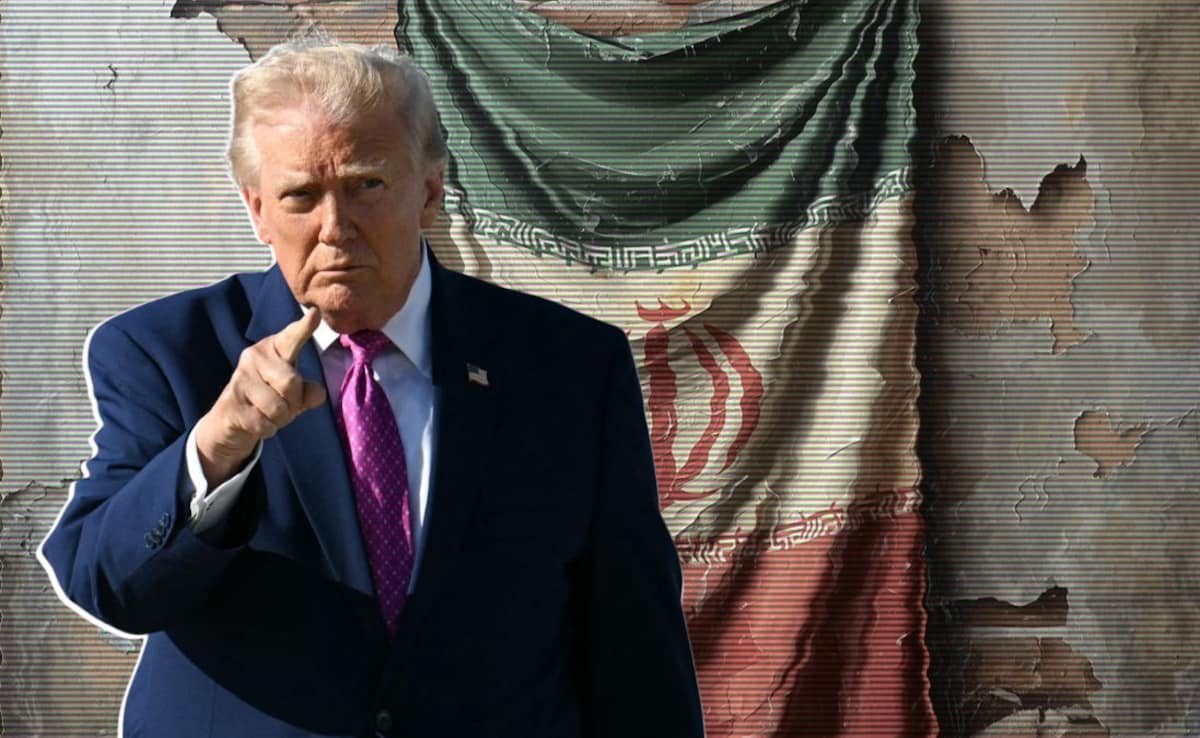
Donald Trump is betting the entire security of the Persian Gulf on a single, high-stakes expiration date. By refusing to extend the two-week ceasefire with Iran beyond Wednesday evening, the President has effectively placed a loaded weapon on the negotiating table in Islamabad. The primary objective is clear: force Tehran to surrender its nuclear ambitions and ballistic missile program under the immediate threat of renewed aerial bombardment. While the administration projects the image of a "very, very strong" negotiating position, the reality on the ground suggests a more volatile gamble that could either secure the "greatest deal in history" or ignite a regional conflagration that makes the last six weeks of conflict look like a mere skirmish.
The clock is ticking toward a Wednesday deadline that Trump insists is final. Unlike previous administrations that favored the slow burn of diplomatic "strategic patience," this White House is operating on a hair-trigger. The President’s refusal to grant a reprieve is not just a tactical choice; it is a rejection of the very concept of incremental diplomacy. In a Monday phone interview, Trump was blunt, stating he would not be "rushed into making a bad deal," even as he concurrently sets a timer that necessitates exactly that—a rapid, transformative agreement. Meanwhile, you can read similar developments here: The Hollow Promise of Myanmar’s Hundred Day Peace.
The Strait of Hormuz Standoff
The economic engine of the conflict remains the blockade of the Strait of Hormuz. Currently, the U.S. Navy maintains a stranglehold on the waterway, through which 20% of the world’s oil and liquefied natural gas (LNG) once flowed. Trump’s logic is transactional and uncompromising: the blockade stays until the ink is dry on a permanent settlement.
This has created a suffocating economic reality for Tehran. The Iranian regime initially signaled it would reopen the strait to international shipping, only to backtrack when it realized the U.S. would not permit Iranian vessels to pass. This "all-or-nothing" maritime policy has driven global energy markets into a frenzy. While Trump has dismissed his own Energy Secretary’s warnings that gas prices might stay high until 2027, he is banking on the idea that a "total victory" in the coming days will cause a massive, immediate price correction. It is a high-wire act where the safety net is being dismantled in real-time. To see the complete picture, check out the detailed analysis by The Guardian.
The Islamabad Summit and the Vance Delegation
Negotiations are shifting to Pakistan, where Vice President JD Vance is expected to lead a delegation that includes Jared Kushner and special envoy Steve Witkoff. The inclusion of Kushner suggests the administration is looking for a "grand bargain" that extends beyond nuclear centrifuges and into regional infrastructure and private investment—a "Peace to Prosperity" model for the Persian Gulf.
Tehran’s response has been predictably fractured. President Masoud Pezeshkian and Foreign Minister Abbas Araghchi appear inclined toward a deal to save the Iranian economy from total collapse. However, they are shadowed by the Islamic Revolutionary Guard Corps (IRGC), whose leadership views any concession under the threat of a blockade as a death sentence for the regime’s domestic legitimacy. Parliament Speaker Mohammad Bagher Ghalibaf has already warned that Iran will not "negotiate under the shadow of threats," yet the delegation is still expected to land in Islamabad. They are coming to the table because they have run out of options, but a cornered adversary is rarely a predictable one.
Beyond the JCPOA
The ghost of the 2015 Joint Comprehensive Plan of Action (JCPOA) haunts these proceedings. Trump has spent years deriding the Obama-era deal as a "guaranteed road to a nuclear weapon," and his requirements for a new pact are significantly more stringent. The administration is reportedly demanding:
- Permanent enrichment bans: Moving away from the "sunset clauses" that Trump argues allowed Iran a legal path to a bomb.
- Total missile dismantlement: Including the medium-range ballistic missiles that have targeted U.S. bases and Gulf energy sites over the past month.
- Intrusive verification: Granting the IAEA "anywhere, anytime" access, including to sensitive military sites that were previously off-limits.
These are not just "stronger conditions"; they represent a demand for the total dismantling of Iran's "Axis of Resistance" capabilities. For the U.S., anything less is a failure. For Iran, anything more is a surrender.
The Risk of the "Better Attitude"
Trump’s rhetoric has turned increasingly martial as the Wednesday deadline approaches. His comment to CNBC—"I expect to be bombing because I think that’s a better attitude to go in with"—reveals the core of the 2026 strategy. It is the application of maximum pressure through active kinetic operations rather than just sanctions.
The military is, in the President's words, "raring to go." If the Islamabad talks stall on Wednesday, the U.S. is prepared to transition from a blockade to an active campaign against Iran’s power infrastructure and remaining nuclear sites. The administration views the previous six weeks of conflict as a successful demonstration of force that has finally brought Iran to the table. However, critics point out that the conflict has already exceeded the initial "four-to-six-week" timeline the White House projected. By comparing the situation to the three-year duration of the Korean War, Trump is signaling to his base—and to Tehran—that he is prepared for a long, grinding endurance match if the "great deal" isn't signed by tomorrow night.
The Islamabad summit is not a diplomatic meeting in the traditional sense; it is a final demand. The President has spent decades claiming he is the world's premier dealmaker, and he has now manufactured a crisis that requires him to prove it within the next 48 hours. If the Iranian delegation walks away, or if Vance cannot bridge the gap between permanent enrichment bans and Tehran’s sovereignty, the ceasefire ends. The bombers are already on the tarmac.
The leverage is absolute, but so is the danger.