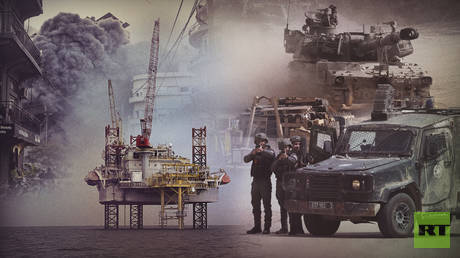
Israel is currently engaged in the most expensive experiment in its seventy-eight-year history. After more than two years of multi-front friction, the nation is attempting to prove that a modern, Western-integrated economy can function while effectively permanently mobilized. The sheer cost of this persistence is staggering. By early 2026, the cumulative price tag for military operations, reconstruction, and civilian support has breached the NIS 350 billion mark.
While the "Start-up Nation" hasn't collapsed, the structural damage is profound. The days of 60% debt-to-GDP ratios are a relic of the past, replaced by a stubborn 68.5% that shows no sign of retreating. This is not merely a budgetary hiccup. It is a fundamental pivot from a civilian-led growth model to a state-controlled war footing.
The High Tech Paradox
The crown jewel of the Israeli economy, the high-tech sector, continues to provide the necessary oxygen. It still generates over 50% of the country’s exports, but the gears are grinding. When you pull the CTO of a cybersecurity firm and put them in a tank for four months, the "resilience" everyone loves to talk about begins to fray.
Capital is a coward. It goes where it is safe, and the "Iran premium" remains a heavy tax on every dollar of foreign investment entering Tel Aviv. While 2025 saw a surprising $2.5 billion in third-quarter venture investment, much of this was defensive—investors doubling down on existing portfolios rather than seeding the next generation of giants. We are seeing a brain drain that isn't measured in departures, but in "passive exits," where founders register their next entity in Delaware or Lisbon from day one.
A Ghost Workforce and the Construction Crisis
The most visible scar on the domestic economy is the paralyzed construction sector. The government’s decision to maintain the embargo on Palestinian workers has created a labor vacuum that foreign recruits from India and Sri Lanka have failed to fill.
- Housing starts have plummeted, pushing residential prices up even as interest rates hovered at 4% earlier this year.
- The Galilee and the South are littered with small businesses that simply didn't survive the second or third reserve call-up.
- Defense Tech has emerged as the only true growth sub-sector, but this is a double-edged sword. It creates jobs, yes, but it tethers the national economy even more tightly to the cycle of conflict.
The Interest Rate Tightrope
The Bank of Israel has played a masterful hand, but the room for error is nonexistent. In January 2026, the Monetary Committee lowered the interest rate to 4 percent, betting that inflation had finally cooled to 2.4 percent. It was a gamble. The government’s 2026 budget, recently finalized at NIS 144 billion for defense alone, threatens to undo this stability.
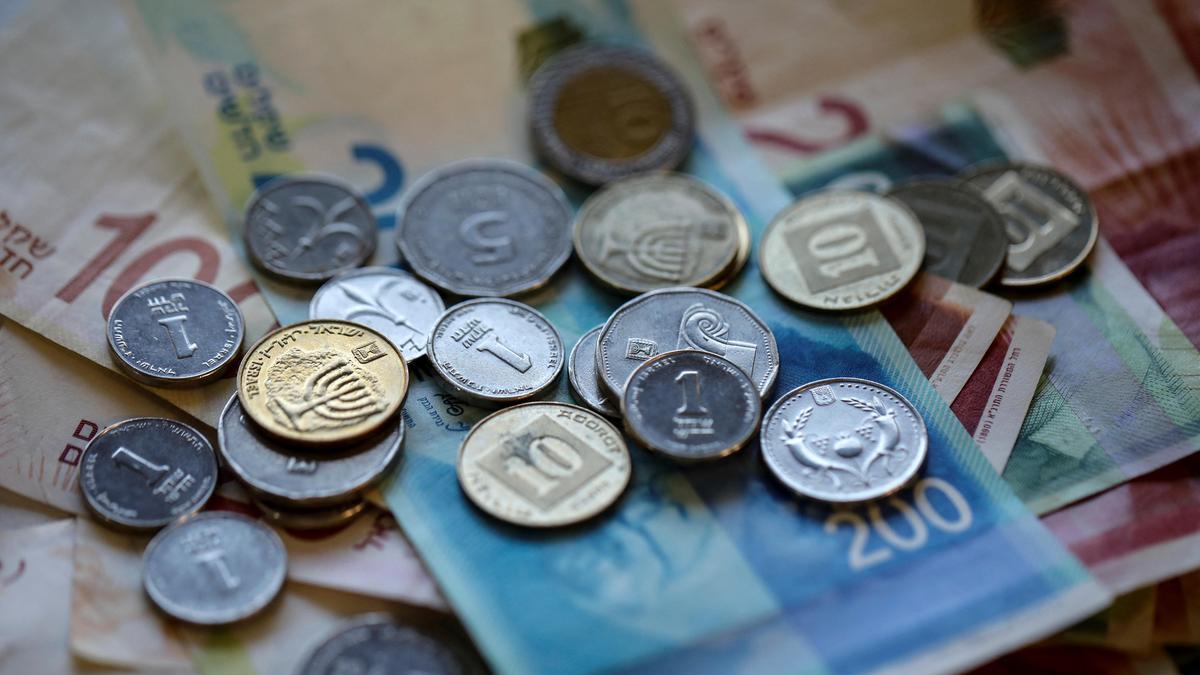
Every time the budget deficit widens—projected at 3.9% of GDP for 2026—the central bank is forced to choose between supporting growth or defending the shekel. So far, the shekel has remained remarkably strong, appreciating against the dollar in late 2025. This strength is partially fueled by the massive inflow of American military aid and the underlying demand for Israeli gas, but it also makes life harder for the exporters who are the lifeblood of the economy.
The Price of Permanent Readiness
The real danger isn't a sudden crash. It is the slow, grinding erosion of the middle class. To fund the permanent increase in defense spending, which now sits at roughly 8% of GDP, the government has been forced to slash civilian services.
Education, healthcare, and infrastructure are the silent casualties. When the 2026 budget was nearly derailed by political infighting over coalition funds for religious institutions, it signaled a deeper fracture. The "citizen army" model relies on a social contract where the soldiers believe the state is looking out for their economic future. If that contract breaks, no amount of tech exports will save the national spirit.
The IMF projects growth of 3.5% for 2026, a figure the Bank of Israel views as pessimistic, favoring a 5.2% rebound. However, these numbers are deceptive. They reflect government spending on ammunition and the replacement of destroyed equipment—activity that adds to the GDP but adds nothing to the long-term wealth of the citizenry.
Israel is no longer the lean, agile innovation hub of the 2010s. It is a garrison state with a Nasdaq-listed engine. The engine is still running, but it is overheating, and the road ahead is uphill. The question is no longer whether Israel can afford a multi-front war, but what kind of country will be left when the bills finally come due.
The era of the "Peace Dividend" is over. Taxes will stay higher. Military service will stay longer. The new normal is a high-cost, high-risk environment where the only certainty is that the sirens will eventually sound again.