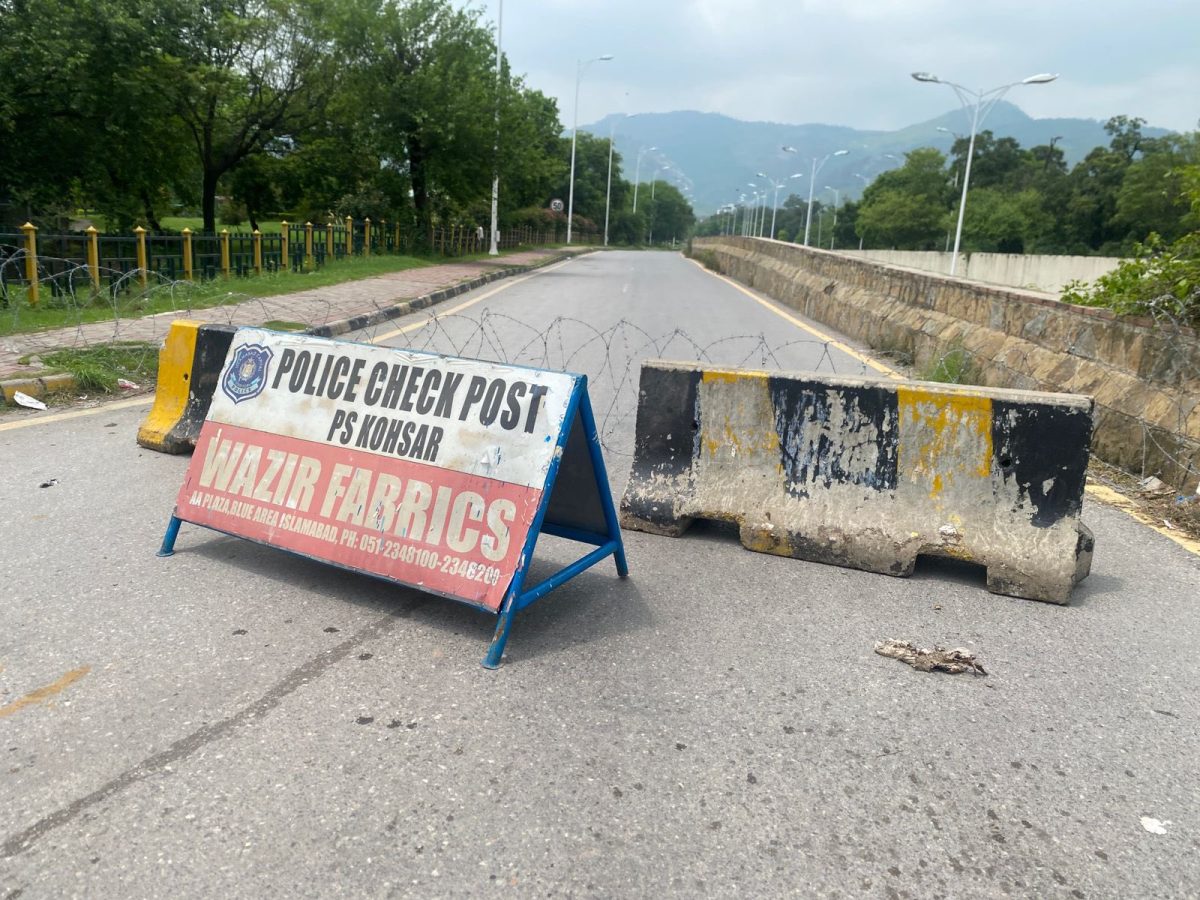
You can't talk about Balochistan without talking about the silence. It's a heavy, forced kind of silence that smothers the province while the rest of the world looks at maps and mineral rights. But the Baloch Yakjehti Committee (BYC) isn't staying quiet anymore. They've just flagged a terrifying spike in extrajudicial killings and enforced disappearances that should make anyone with a pulse uncomfortable.
If you're wondering why this is suddenly hitting the headlines in 2026, it's because the numbers are staggering. We aren't talking about a few isolated incidents. We're looking at a systematic pattern that has turned "going missing" into a local epidemic.
The Grim Math of Enforced Disappearances
Data from the Human Rights Council of Balochistan (HRCB) paints a bleak picture. In February 2026 alone, there were 234 documented cases of enforced disappearances. Think about that for a second. That's nearly eight people a day being picked up from their homes, shops, or university classrooms.
The profile of those taken isn't what the official narrative suggests. It's not just "militants" or "insurgents." The biggest group being targeted? Students.
- February 2026: 234 disappearances, 87 killings.
- January 2026: 107 disappearances, 78 killings.
- Victim demographic: Primarily students, laborers, and shopkeepers.
- Geographic hotspot: Quetta and Nushki are seeing the highest concentration of raids.
When the BYC flags these issues, they're pointing to a "kill and dump" policy that has evolved into something even more cynical. The BYC recently raised concerns at the UN Human Rights Council (UNHRC) in Geneva about "fake encounters." This is where individuals who were already in state custody suddenly "reappear" in a shootout and are killed. It’s a convenient way to close a file without a trial.
Why the BYC is Under Fire
The state’s reaction to the BYC’s advocacy has been predictably harsh. Dr. Mahrang Baloch and Sabiha Baloch—the faces of this movement—are living with targets on their backs. Sabiha Baloch recently went on record warning that she expects to be killed in a staged encounter. That’s not hyperbole; it’s a calculated assessment of the risks rights defenders face in the region today.
The authorities have tried every trick in the book to shut them down. They've used sedition charges, blocked press conferences at the Karachi Press Club, and even tried to link activists to suicide bombing plots through questionable "confessions." It’s a classic smear campaign meant to delegitimize a peaceful civilian movement by painting it with the brush of terrorism.
The Human Cost Behind the Statistics
Numbers are easy to ignore. Faces aren't. Take the case of Karim Jan, killed in Balgater after being abducted from a market in broad daylight. Or the dozens of teenagers who vanish from Quetta, leaving families to haunt protest camps for years.
The BYC is basically saying that the legal system in Balochistan has collapsed. When you can be picked up without a warrant, held incommunicado for months, and then found dead in a ditch with "terrorist" labeled on your chest, the concept of "due process" is a joke.
I’ve seen how these families live. They don’t want political grandstanding. They want to know if their sons are alive or dead. The BYC has managed to unite these families into a force that the state can’t simply ignore with a press release.
What Needs to Happen Next
The situation is past the point of "deep concern" from international bodies. If you want to see actual change, the pressure needs to shift from words to actions.
- Independent Commissions: The current Commission of Inquiry on Enforced Disappearances (CoIED) has been widely criticized for its lack of teeth. We need a body with the power to prosecute, not just count.
- Access for International Observers: Pakistan has consistently restricted UN working groups and international journalists from entering Balochistan. That blackout has to end.
- Protection for Activists: Leaders like Mahrang Baloch need international eyes on them. The "fake encounter" narrative only works in the dark.
Don't wait for a mainstream news cycle to tell you this matters. The BYC isn't just flagging "alleged" crimes; they're documenting a humanitarian crisis in real-time. If the global community keeps pretending Balochistan is just a domestic security issue, the list of the "disappeared" will only keep growing until there’s no one left to speak up.