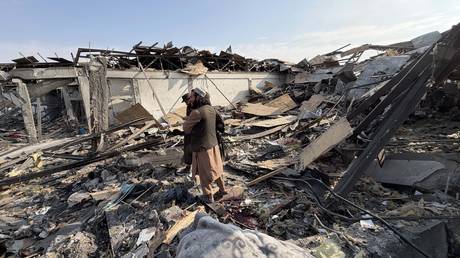
The peace talks in China barely had time to settle before the missiles started flying again. On Monday, April 27, 2026, the fragile silence between Kabul and Islamabad shattered in a way that suggests diplomacy is no longer on the table. When mortars and missiles struck a university and residential blocks in northeastern Afghanistan, killing seven and wounding scores more, it wasn't just another border skirmish. It was the moment the Taliban officially pivoted from "border dispute" to "war crimes" accusations.
If you've been following the news, you know the relationship between these two neighbors has been toxic for years. But 2026 has turned into something else entirely. We're now seeing what many experts call "open war" in all but name.
The Strike That Broke the Urumqi Truce
Just weeks ago, officials from both sides met in Urumqi, China. They shook hands, promised to "explore comprehensive solutions," and agreed to stop the bleeding. It didn't last. The latest strikes hit Kunar province, specifically targeting areas near Sayed Jamaluddin Afghani University.
The Taliban's Ministry of Defense didn't hold back. They’ve labeled these actions as "blind attacks" on civilian infrastructure. While Pakistan's Ministry of Information dismissed the reports as a "blatant lie," the ground reality in Asadabad tells a grimmer story. We’re talking about students and families caught in the crossfire of a geopolitical grudge match that has already displaced over 115,000 people since February.
Why This Isn't Just Another Border Spat
You might wonder why these two "Islamic brotherly nations" are at each other's throats. It boils down to a group called the Tehrik-e-Taliban Pakistan (TTP). Pakistan claims the Afghan Taliban provides a safe haven for TTP militants who cross the border to kill Pakistani soldiers. Kabul denies it.
Honestly, it’s a stalemate of "he-said, she-said" backed by heavy artillery.
The Escalation Timeline
- February 2026: Pakistan launches "intelligence-based" strikes. Afghanistan retaliates with cross-border ground attacks.
- March 17, 2026: A massive strike in Kabul hits a health facility. Afghanistan claims hundreds died; Pakistan says it targeted a "terrorist hub."
- April 2026: China attempts to mediate. A brief Eid truce offers hope, but it’s a ghost of a peace deal.
- April 27, 2026: Renewed strikes on Kunar province effectively kill the Urumqi agreement.
The War Crimes Allegation Explained
The Taliban isn't just complaining about territorial integrity anymore. By using the term war crimes, they're signaling a move toward international legal forums—even if their own international standing is shaky.
According to reports from the UN Assistance Mission in Afghanistan (UNAMA), the civilian toll is mounting fast. When you hit a university or a drug treatment center (as happened in March), you're no longer just "targeting militants." You're hitting the "protected objects" defined under international humanitarian law. Pakistan maintains their strikes are "precise and intelligence-based," but the debris in Kunar suggests otherwise.
Human Toll by the Numbers
- Casualties: Estimates vary wildly. Kabul claims nearly 800 civilians have died since February. UNAMA puts the confirmed number lower, but warns that many areas remain inaccessible.
- Displacement: Over 13,000 families have fled their homes in Khost, Kunar, and Nangarhar.
- Infrastructure: 25 health facilities and 41 schools have been damaged or forced to close.
The Role of Global Players
China is trying to play the adult in the room, but they're struggling. They want stability to protect their investments in the region. Meanwhile, the U.S. and other Western powers are mostly watching from the sidelines, wary of getting sucked back into the "Graveyard of Empires."
The real danger here is the "open war" declaration. Pakistan's Defense Minister Khawaja Asif hinted earlier this year that if the Taliban won't reign in the TTP, Pakistan will do it for them—regardless of borders. That’s a recipe for a long-term, high-intensity conflict that neither country’s economy can actually afford.
What You Need to Know Moving Forward
Don't expect a sudden handshake and a return to "normal." The trust is gone. If you're monitoring the situation, keep an eye on these three things:
- The TTP Factor: If the Afghan Taliban doesn't physically move TTP camps away from the border, Pakistan's "selective targeting" will continue.
- China’s Next Move: Beijing hates looking ineffective. If the Urumqi talks fail completely, they may use economic leverage to force both sides back to the table.
- The "War Crimes" Narrative: Watch if the Taliban starts inviting international observers to strike sites. It’s a savvy PR move to gain sympathy from a world that usually ignores them.
The border between these two countries—the Durand Line—has been a flashpoint for a century. But with modern drones and missiles in the mix, the margin for error has vanished. For the families in Kunar and Khost, the "war" isn't a headline; it's the mortar shell landing in the backyard.
Stay updated by following local Afghan news agencies like Pajhwok or international monitors like OCHA, but take every "official" casualty count with a grain of salt. Both sides are currently fighting an information war just as hard as the physical one.